ابزار وبمستر

Stress can significantly impact your ability to maintain a healthy weight. It can also prevent you from losing weight. Whether it's the result of high levels of the stress hormone cortisol, unhealthy stress-induced behaviors, or a combination of the two, the link between stress and weight gain is glaring.

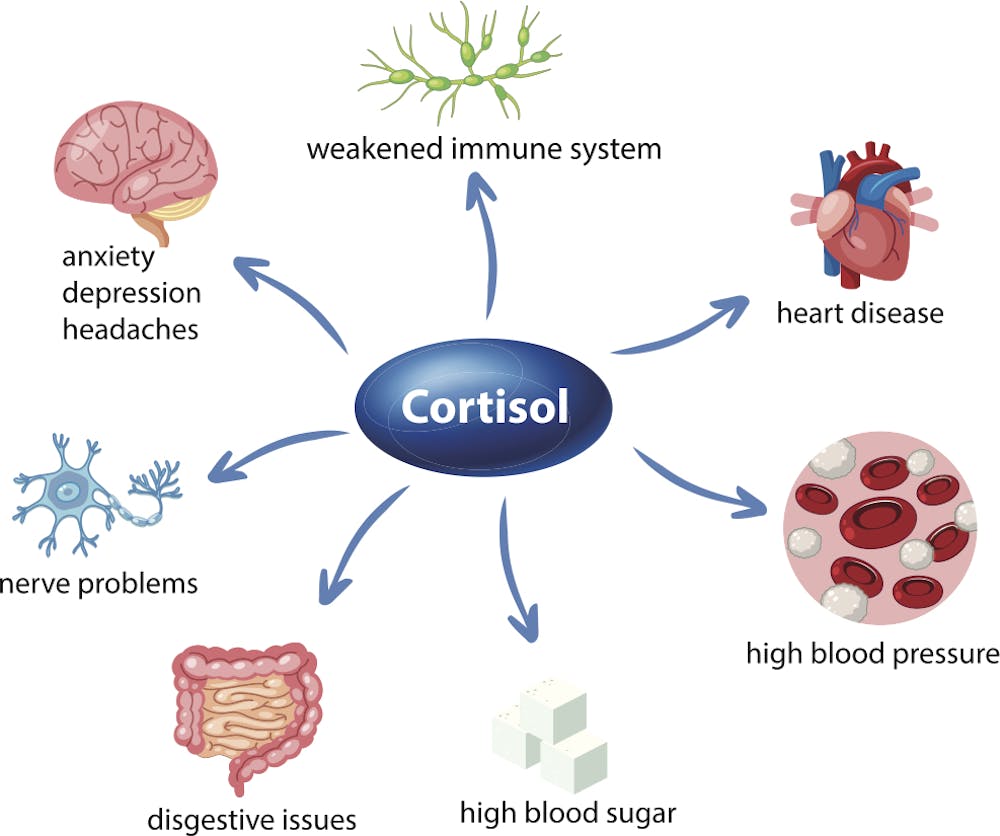
Cortisol is a steroid hormone that regulates a wide range of processes throughout the body, including metabolism and the immune response. It also has a very important role in helping the body respond to stress.

Cortisol is a steroid hormone, one of the glucocorticoids, made in the cortex of the adrenal glands and then released into the blood, which transports it all round the body. Almost every cell contains receptors for cortisol and so cortisol can have lots of different actions depending on which sort of cells it is acting upon.

These effects include controlling the body’s blood sugar levels and thus regulating metabolism, acting as an anti-inflammatory, influencing memory formation, controlling salt and water balance, influencing blood pressure and helping development of the foetus. In many species cortisol is also responsible for triggering the processes involved in giving birth.

Researchers have long known that rises in the stress hormone cortisol can lead to weight gain. Every time you're stressed, your adrenal glands release adrenaline and cortisol, and as a result, glucose (your primary source of energy) is released into your bloodstream. All of this is done to give you the energy you need to escape from a risky situation (also known as the fight or flight response).

Cortisol and Sugar Cravings eResearch by Navid Ajamin -- summer 2023

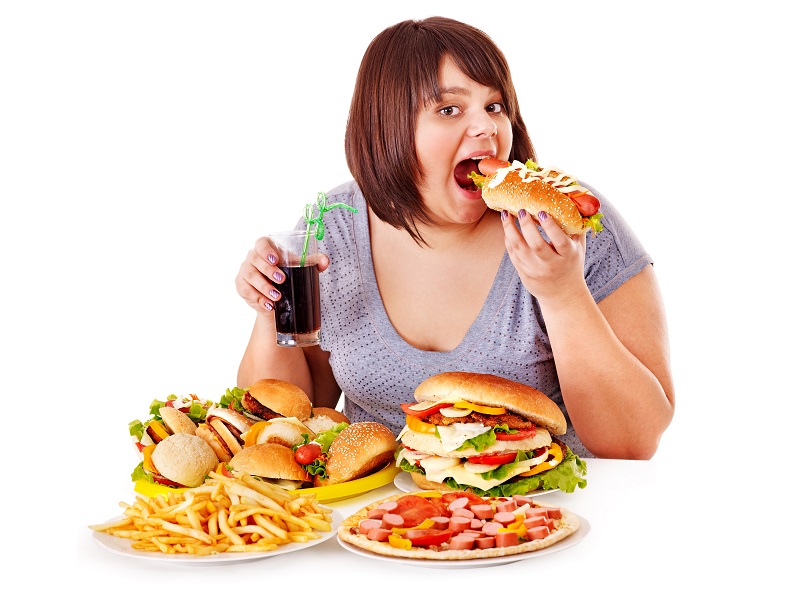
Cue the sugar cravings. Because sugar supplies your body with the quick energy it thinks it needs, it's often the first thing you reach for when you're stressed.

Cortisol and Metabolism

Even if you aren't eating foods high in fat and sugar, cortisol also slows down your metabolism, making it difficult to lose weight.

Too much cortisol over a prolonged period of time can lead to a condition called Cushing's syndrome. This can be caused by a wide range of factors, such as a tumour that produces adrenocorticotropic hormone (and therefore increases cortisol secretion), or taking certain types of drugs. The symptoms include:

  • rapid weight gain mainly in the face, chest and abdomen contrasted with slender arms and legs
  • a flushed and round face
  • high blood pressure
  • osteoporosis
  • skin changes (bruises and purple stretch marks)
  • muscle weakness
  • mood swings, which show as anxiety, depression or irritability
  • increased thirst and frequency of urination.

High cortisol levels over a prolonged time can also cause lack of sex drive and, in women, periods can become irregular, less frequent or stop altogether (amenorrhoea).

In addition, there has been a long-standing association between raised or impaired regulation of cortisol levels and a number of psychiatric conditions such as anxiety and depression. However, the significance of this is not yet clearly understood.
hormones that are related to weight gain

The hormones leptin, insulin, oestrogens, androgens and growth hormone influence our appetite, metabolism and body fat distribution. People who are obese have hormone levels that encourage the accumulation of body fat. Obesity is a risk factor for disease.

Hormones are chemical messengers that regulate processes in our body. They are one factor in causing obesity. The hormones leptin and insulin, sex hormones and growth hormone influence our appetite, metabolism (the rate at which our body burns kilojoules for energy), and body fat distribution. People who are obese have levels of these hormones that encourage abnormal metabolism and the accumulation of body fat.

A system of glands, known as the endocrine system, secretes hormones into our bloodstream. The endocrine system works with the nervous system and the immune system to help our body cope with different events and stresses. Excesses or deficits of hormones can lead to obesity and, on the other hand, obesity can lead to changes in hormones.

Obesity and leptin

The hormone leptin is produced by fat cells and is secreted into our bloodstream. Leptin reduces a person's appetite by acting on specific centres of their brain to reduce their urge to eat. It also seems to control how the body manages its store of body fat.

Because leptin is produced by fat, leptin levels tend to be higher in people who are obese than in people of normal weight. However, despite having higher levels of this appetite-reducing hormone, people who are obese aren't as sensitive to the effects of leptin and, as a result, tend not to feel full during and after a meal. Ongoing research is looking at why leptin messages aren't getting through to the brain in people who are obese.

Obesity and insulin

Insulin, a hormone produced by the pancreas, is important for the regulation of carbohydrates and the metabolism of fat. Insulin stimulates glucose (sugar) uptake from the blood in tissues such as muscles, the liver and fat. This is an important process to make sure that energy is available for everyday functioning and to maintain normal levels of circulating glucose.

In a person who is obese, insulin signals are sometimes lost and tissues are no longer able to control glucose levels. This can lead to the development of type II diabetes and metabolic syndrome.

Obesity and sex hormones

Body fat distribution plays an important role in the development of obesity-related conditions such as heart disease, stroke and some forms of arthritis. Fat around our abdomen is a higher risk factor for disease than fat stored on our bottom, hips and thighs. It seems that oestrogens and androgens help to decide body fat distribution. Oestrogens are sex hormones made by the ovaries in pre-menopausal women. They are responsible for prompting ovulation every menstrual cycle.

Men and postmenopausal women do not produce much oestrogen in their testes (testicles) or ovaries. Instead, most of their oestrogen is produced in their body fat, although at much lower amounts than what is produced in pre-menopausal ovaries. In younger men, androgens are produced at high levels in the testes. As a man gets older, these levels gradually decrease.

The changes with age in the sex hormone levels of both men and women are associated with changes in body fat distribution. While women of childbearing age tend to store fat in their lower body (‘pear-shaped’), older men and postmenopausal women tend to increase storage of fat around their abdomen (‘apple-shaped’). Postmenopausal women who are taking oestrogen supplements don’t accumulate fat around their abdomen. Animal studies have also shown that a lack of oestrogen leads to excessive weight gain.

Obesity and growth hormone

The pituitary gland in our brain produces growth hormone, which influences a person's height and helps build bone and muscle. Growth hormone also affects metabolism (the rate at which we burn kilojoules for energy). Researchers have found that growth hormone levels in people who are obese are lower than in people of normal weight.

Inflammatory factors and obesity

Obesity is also associated with low-grade chronic inflammation within the fat tissue. Excessive fat storage leads to stress reactions within fat cells, which in turn lead to the release of pro-inflammatory factors from the fat cells themselves and immune cells within the adipose (fat) tissue.

Obesity hormones as a risk factor for disease

Obesity is associated with an increased risk of a number of diseases, including cardiovascular disease, stroke and several types of cancer, and with decreased longevity (shorter life span) and lower quality of life. For example, the increased production of oestrogens in the fat of older women who are obese is associated with an increase in breast cancer risk, indicating that the source of oestrogen production is important.

Behaviour and obesity hormones

People who are obese have hormone levels that encourage the accumulation of body fat. It seems that behaviours such as overeating and lack of regular exercise, over time, 'reset' the processes that regulate appetite and body fat distribution to make the person physiologically more likely to gain weight. The body is always trying to maintain balance, so it resists any short-term disruptions such as crash dieting.

Various studies have shown that a person's blood leptin level drops after a low-kilojoule diet. Lower leptin levels may increase a person's appetite and slow down their metabolism. This may help to explain why crash dieters usually regain their lost weight. It is possible that leptin therapy may one day help dieters to maintain their weight loss in the long term, but more research is needed before this becomes a reality.

There is evidence to suggest that long-term behaviour changes, such as healthy eating and regular exercise, can re-train the body to shed excess body fat and keep it off. Studies have also shown that weight loss as a result of healthy diet and exercise or bariatric surgery leads to improved insulin resistance, decreased inflammation and beneficial modulation of obesity hormones. Weight loss is also associated with a decreased risk of developing heart disease, stroke, type II diabetes and some cancers.

Foods to avoid:

  1. White sugar:White sugar can be consumed in moderation. It is the overconsumption that creates health problems. We often overlook the sugar content in biscuits, cereals and the likes which we give to our children under the assumption that they are healthy. However, it is important to make sure that the sugar content is not too high as in the long run, this could lead to a sugar addiction.
  2. Sugary drinks:Aerated drinks, iced teas, fruit packed juices – all contain artificial colors, sugars and chemicals. This causes contamination of the gut microbe in children with the bad gut bacteria, which in turn, leads to poor immunity and contributes to childhood obesity.
  3. Fast foods:Due to mass production in quick service restaurants, there are times when the quality of the ingredients are compromised – for example, the cheese, grains, even the oils in which the foods are cooked or fried. This, again, increases the level of bad gut bacteria which leads to obesity in children.

Reference:

  • news18.com/lifestyle/childhood-obesity-a-looming-health-crisis-in-our-society-7902361.html
  • betterhealth.vic.gov.au/health/healthyliving/obesity-and-hormones
  • verywellmind.com/how-stress-can-cause-weight-gain-3145088
  • yourhormones.info/hormones/cortisol

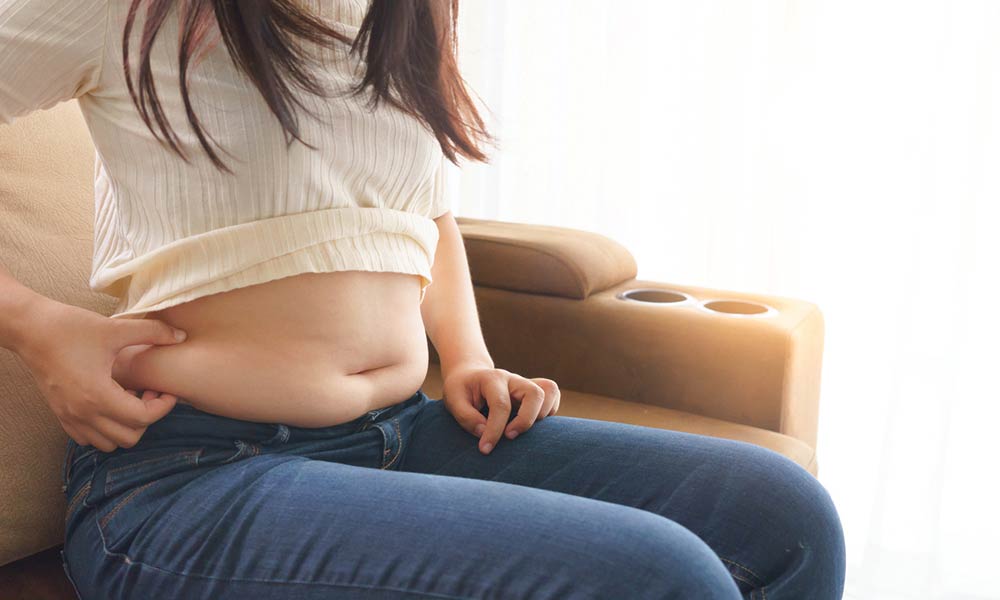
A distended abdomen is abnormally swollen outward. You can see and measure the difference, and sometimes you can feel it. A distended abdomen can be due to bloating from gas, or it can be due to accumulated fluid, tissue, or digestive contents. It can be chronic or acute.

    If you have occasional bloating that is not accompanied with more severe symptoms, such as blood in the stool, nausea, vomiting, diarrhea, or pain, you can minimize your bloating systems by eliminating certain foods or minimizing your intake of them. Lactose intolerance can certainly be a factor when it comes to bloating for some; while you should see your physician, you can try eliminating dairy for a week or so to see if it makes a difference. Fizzy and carbonated drinks can also make you feel “gassy” and bloated.

    https://www.gastrosav.com/wp-content/uploads/2019/07/stomach-bloating.jpg

    Simple tricks to get rid of isolated cases of bloating include:

    • Over-the-counter gas remedies. These can calm the lining of the digestive tract and are usually taken before a meal.
    • Walking. Going for a low-impact, short walk can help relieve bloating.
    • Peppermint oil or capsules. Many patients swear by this natural remedy to help “cure” bloating.
    • Probiotics. This is another over-the-counter solution that works well for many people.
    • Avoiding gum. Chewing gum allows air to get into your stomach, offering a bloating feeling.
    • Adding more fiber to your diet. This is optimal for many reasons but can help minimize bloating.

    Bloating is a common early symptom of menstruation that many women experience. It may feel like you've gained weight or like your abdomen or other parts of your body are tight or even swollen. Bloating generally occurs well before your period starts and will go away once you've been menstruating for a few days.

    Why do periods cause bloating?

    The short answer is hormones. PMS occurs during the luteal phase of your menstrual cycle. That’s when the hormones estrogen and progesterone can fluctuate. It’s also when the lining of your uterus gets thicker. If you become pregnant, the fertilized egg attaches to your thickened uterine lining. If you’re not pregnant, the thickened lining leaves your body, and you have a period.

    Hormones may not be the only reason you have physical symptoms leading up to your period. Other causes for your symptoms may relate to:

    - your genes

    - the type and amount of vitamins and minerals you take

    - your diet, especially if it’s high in salt

    - the number of drinks and foods you have with caffeine or alcohol

    There are a few other ways to prevent bloating as well. Other than avoiding chewing gum, habits such as smoking, drinking beverages using straws, and eating too quickly can all contribute to bloating. It’s also a good idea to avoid foods known to cause gas if you are already susceptible to bloating, such as brussels sprouts, beans, and lentils.

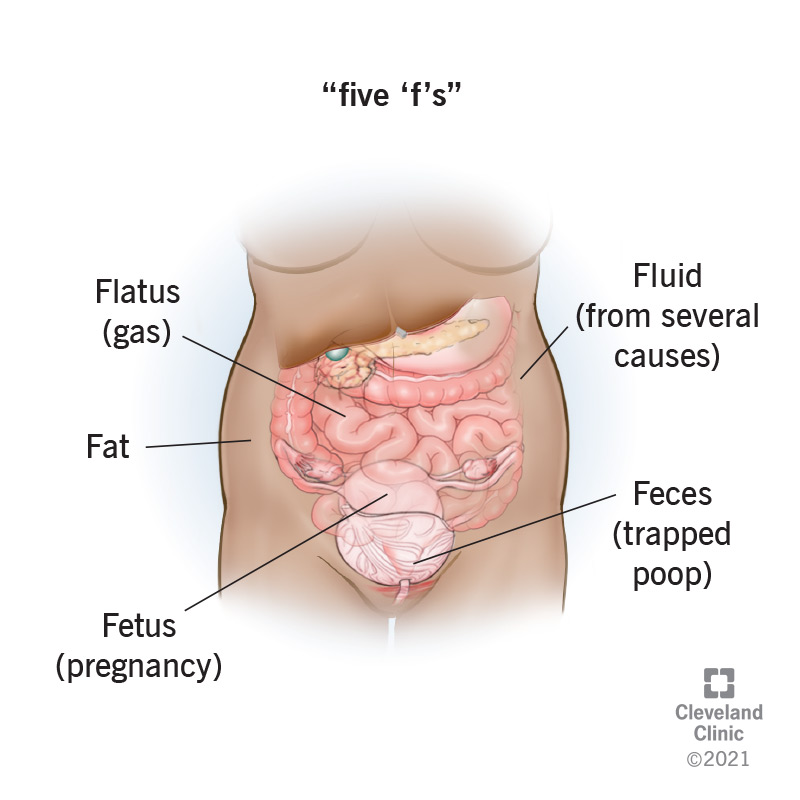
    The main causes of generalised abdominal distension are Fat, Faeces, Fetus, Flatus, and Fluid.

    1. هر روز صبح یک لیوان آب ولرم با چند قطره لیمو میل کنید. 15 تا 30 دقیقه قبل از صبحانه نوشیدن آب و آبلیمو باعث تنظیم ترشح اسید معده ،کاهش سوزش معده ،کاهش تورم معده و روده می شود .علاوه بر آن لیمو حاوی مقدار زیادی ویتامین C است.
    2. در صبحانه قهوه و شیر مصرف نکنید. شیر بر روی اسید معده تاثیر گذاشته و باعث سوزش معده می گردد.شیر را به عنوان یک نوشیدنی در نظر نگیرید.شیر یک ماده غذایی سنگین است.به جای شیر از ماست یا دوغ استفاده کنید.این محصولات حاوی پروبیوتیک های لازم برای بدن هستند. و زمانی که با قهوه مخلوط می شوند باعث آسیب به معده می شوند.
    3. در حین غذا نوشیدنی ،ننوشید. هنگام خوردن غذا مصرف نوشیدنی ها باعث کاهش اسید معده و آنزیم های گوارشی می شود. و هضم غذا و تخمیر آن به کاهشی صورت می گیرد.در نتیجه سبب افزایش گاز و تورم شکم و معده می شود.
    4. از نوشیدن مشروبات الکلی خودداری کنید. الکل باعث افزایش ترشح اسید معده می شود.و باعث کاهش فعالیت معده و جرم بستن دیواره معده می شود.در اثر مصرف زیاد فلورهای معده و روده را از بین می برد.
    5. نوشیدن چای زنجبیل باعث آرامش معده و افزایش فعالیت روده و کاهش گاز و تورم شکم می شود.هم چنین باعث رقیق شدن خون و افزایش گردش آن می شود.
    6. غذاهای چرب مصرف نکنید. زیرا به دلیل سنگین بودن آنها هضم آنها برای معده سخت خواهد بود و به مدت زیادی در معده باقی می مانند.و سبب افزایش باد در معده می گردد.
    7. هوا نخورید. با عجله غذا خوردن ،صحبت هنگام غذا،درست نجویدن غذا ،نوشیدن مایعات گازدار ،مصرف سیگار یا جویدن آدامس سبب وارد شدن هوا به معده می شود و باعث افزایش باد و تورم شکم می شود.

    Reference:

    • healthline.com/health/womens-health/period-bloating
    • gastrosav.com/blog/abdominal-bloating-causes-symptoms-and-diagnosis
    • my.clevelandclinic.org/health/symptoms/21819-abdominal-distension-distended-abdomen

    Eating a healthy, varied diet that is high in fruits and vegetables — including soluble fiber, vitamin D, and probiotics — is the best plan for losing weight from your waistline.

    Avoiding refined carbohydrates, sugar, and processed foods whenever possible will help you cut calories and get rid of fat more quickly.

    Studies show walking is one of the best ways to shed belly fat, in less time than you think.

    Researchers reviewed 40 years of studies on exercise and belly fat and found that just 2 1/2 hours of brisk walking a week--about 20 minutes a day--can shrink your belly by about 1 inch in 4 weeks.

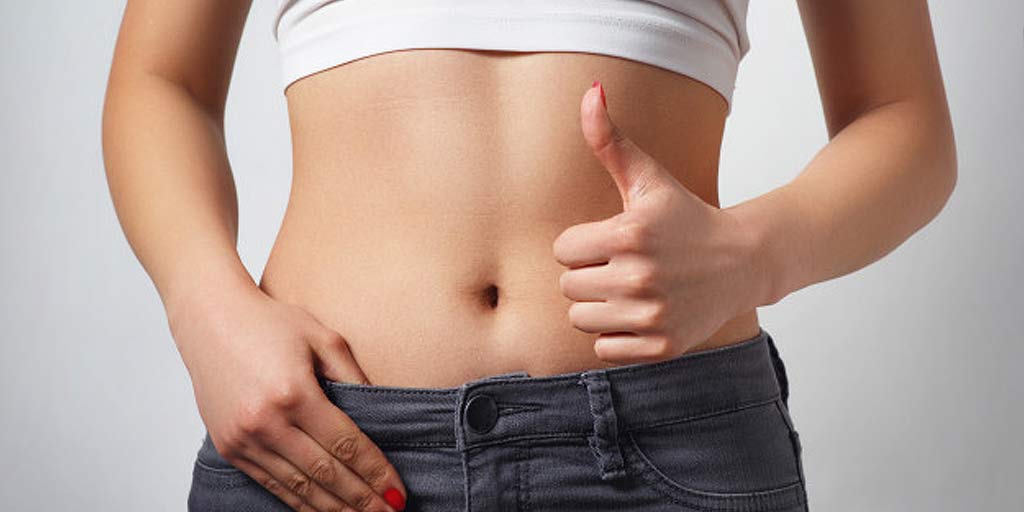
    burn stubborn fat and get a slim waist:

    1. Have a healthy breakfast

    Start your day with a healthy breakfast. Starting the day with a healthy, balanced breakfast is the best way to lose weight and slim your waist. A good breakfast boosts your metabolism, so you can burn more calories throughout the day.

    In fact, it keeps you full for a long time. Plus, it reduces your tendency to snack in the morning and afternoon, which can increase your chances of burning more calories.

    2. Avoid junk and processed food

    Avoid processed foods as they are high in calories. It is not good for your health either. This is because processed foods typically contain high sugar and starch content, which limits weight loss and produces harmful toxins. This includes market snacks, biscuits, chips, noodles, and junk or fast food.

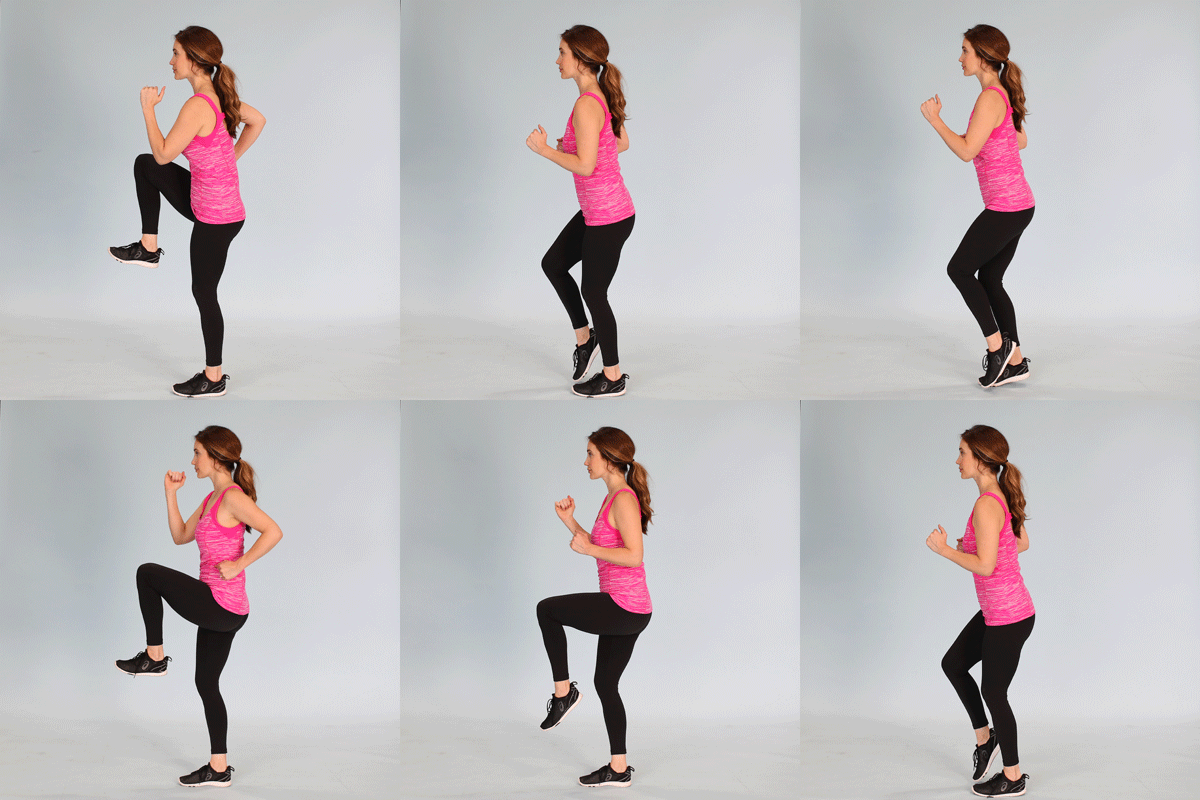
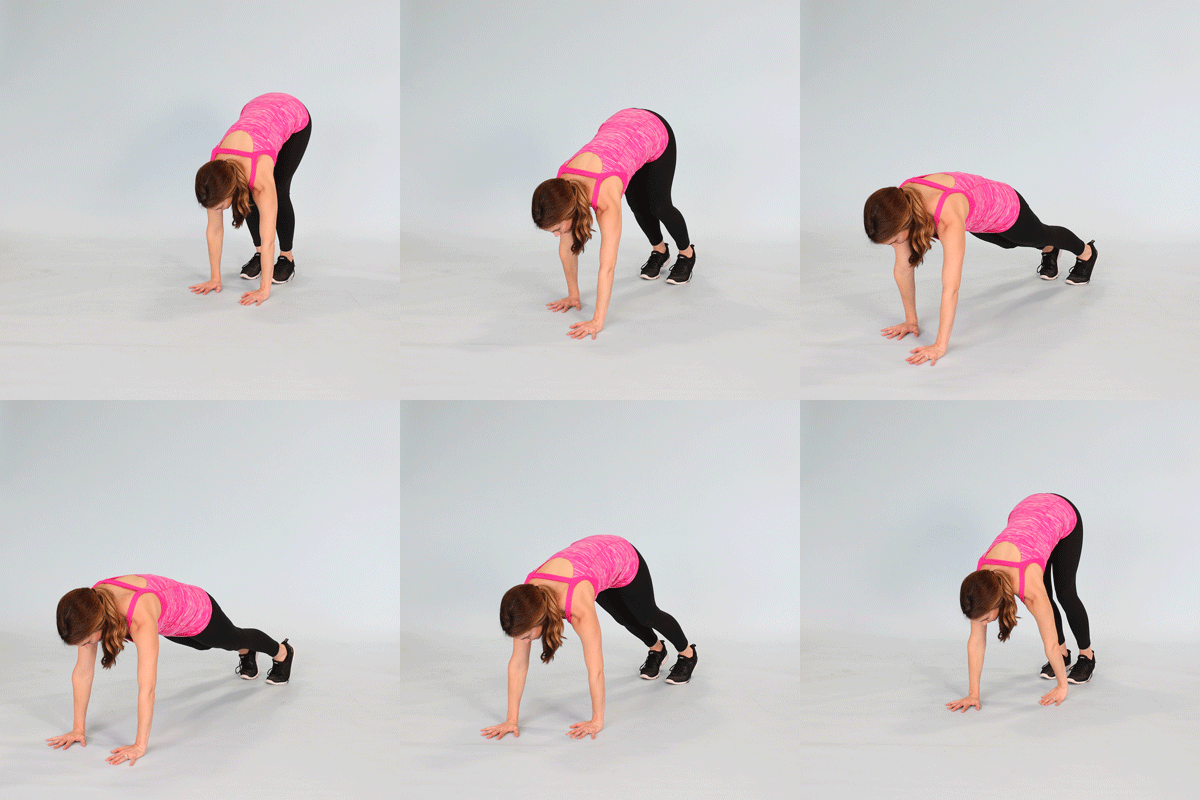
    3. Do lots of cardio

    https://images.healthshots.com/healthshots/en/uploads/2022/05/19124333/cardio-jump-627x354.jpg

    When it comes to losing weight and getting rid of abdominal fat, it might be challenging because everyone’s weight increases in their stomachs due to a sedentary lifestyle. So, overall weight loss is the only option. In such a situation, cardiovascular exercises are the most effective way to burn calories. Make sure to include them in your routine.

    4. Control the portion

    Divide your food into small portions and eat it more often. This will enable you to repeatedly satiate your food cravings. Eating all at once and doing so on an empty stomach can make you gain weight. One of the best-kept secrets of successful dieters is that they actually eat fairly frequently throughout the day, taking in small meals.

    5. Work on core muscles

    Make sure you work on the right core muscles. Choose exercises that require the most of your core strength. Working these muscles will give you a toned and flat belly. It will also build muscles. This is the perfect exercise to slim the waist.

    6. Drink Water Before Each Meal

    Given the rising temps it's to be expected that you may drink more water than usual in the coming months, just make sure your H20 intake occurs before you chow down. According to a British study, sipping 16 ounces of water before each meal can lead to substantial weight loss. Researchers enlisted 84 obese adults for a three-month experiment and broke the participants into two groups. The first group was told to drink 16 ounces of water half an hour before each of their meals while. the other group was told to imagine that they were already full prior to digging in. When the study concluded, the water group lost about 9 pounds, while their imaginative peers shed approximately three fewer pounds. Scientists suspect loading up on H2O before meals is an effective weight loss strategy because it helps increase satiety. If you're less hungry when meal time rolls around, then you're more inclined to make smarter food choices.

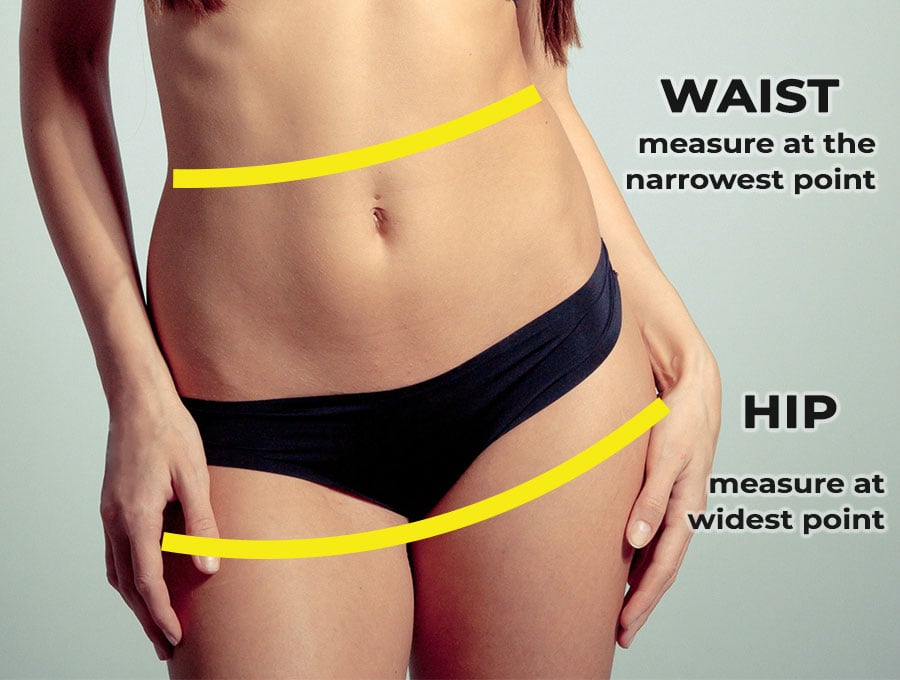
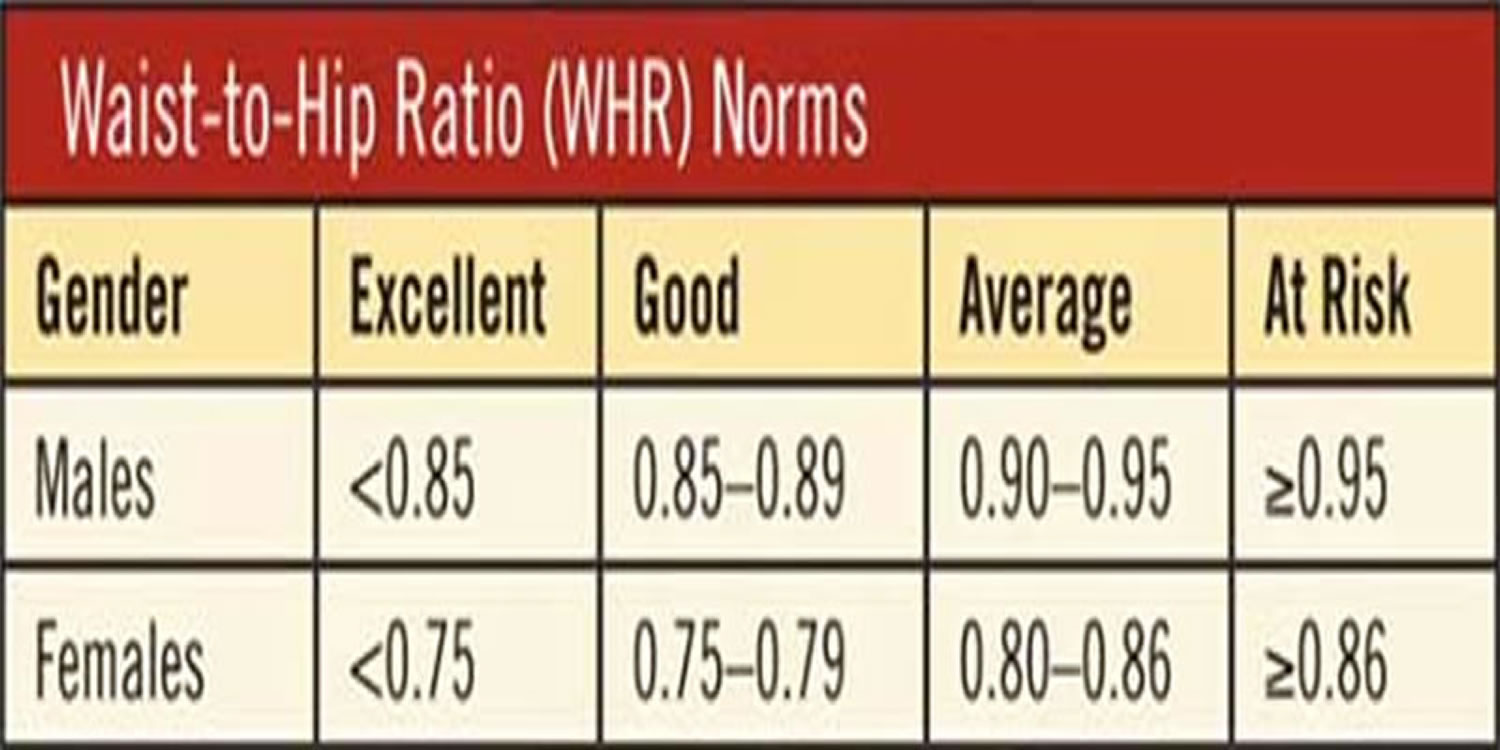
    Waist-to-Hip Ratio = Waist Measurement / Hip Measurement

    Reference:

    • healthshots.com/how-to/how-to-eat-muesli-and-its-benefits
    • eatthis.com/30-day-plan-flat-belly-summer
    • healthjade.net/waist-hip-ratio

    See also:

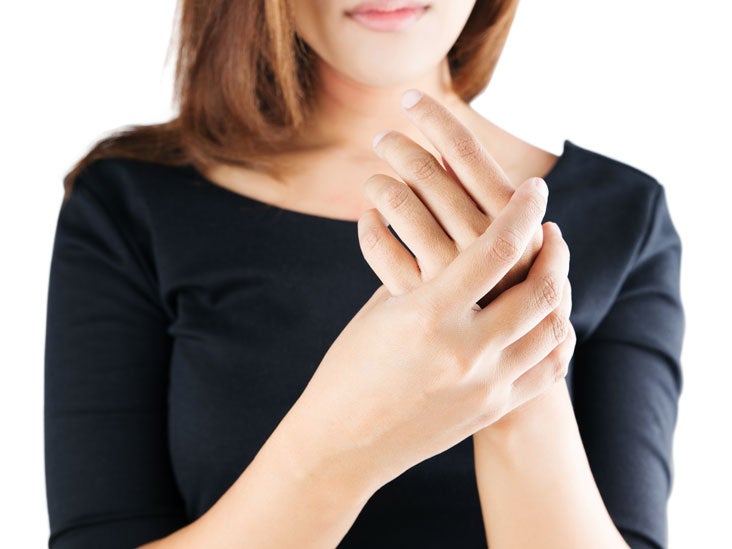
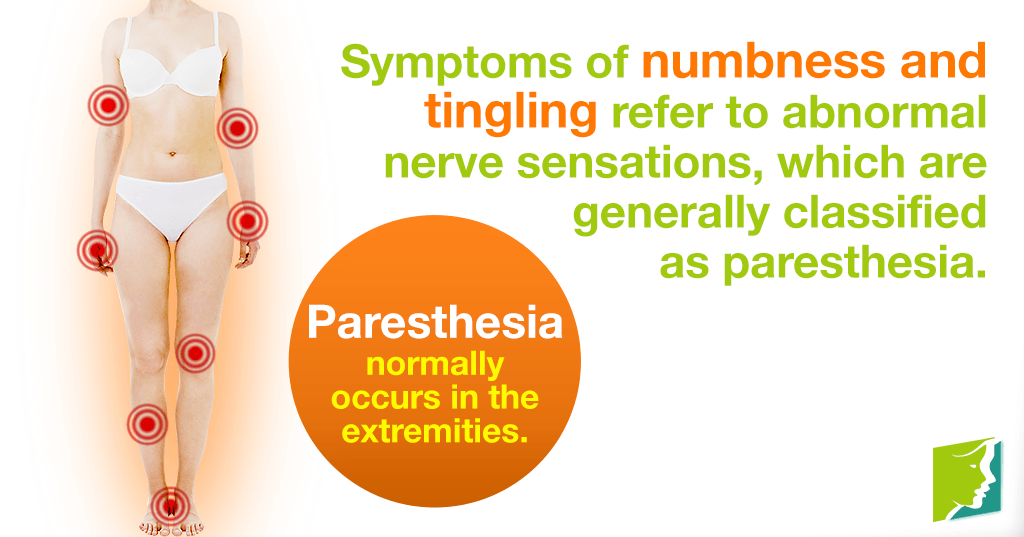
    Paresthesia refers to a burning or prickling sensation that is usually felt in the hands, arms, legs, or feet, but can also occur in other parts of the body. The sensation, which happens without warning, is usually painless and described as tingling or numbness, skin crawling, or itching.

    What Is Paresthesia? - Definition, Causes & Treatment | Study.com

    What are the symptoms of paresthesia?

    Paresthesia can affect any part of the body, but it commonly affects the:

    hands , arms , legs , feet

    It can be temporary or chronic. The symptoms can include feelings of:

    numbness , weakness , tingling , burning , cold

    Chronic paresthesia may cause a stabbing pain. That may lead to clumsiness of the affected limb. When paresthesia occurs in your legs and feet, it can make it difficult to walk.

    See your doctor if you have symptoms of paresthesia that persist or affect with your quality of life. It could be a sign that you have an underlying medical condition that needs treatment.

    What Causes Numbness and Tingling in the Body?

    The symptoms of paresthesia are: Tingling or burning sensation. Skin-crawling feeling. The pallor of the skin in the affected area.

    When paresthesia occurs in your legs and feet, it can make it difficult to walk. See your doctor if you have symptoms of paresthesia that persist or affect with your quality of life. It could be a sign that you have an underlying medical condition that needs treatment.

    In many cases, paresthesia goes away on its own. But if any area of your body regularly goes numb or gets that "pins and needles" feeling, talk to your doctor. They'll ask about your medical history and do a physical exam. They also may recommend certain tests to figure out what's causing your paresthesia.

    PDF] Endodontic periapical lesion-induced mental nerve paresthesia |  Semantic Scholar

    The stress response also heightens our senses and stimulates the body, especially the nervous system. These actions can cause a tingling, tingly, pins and needles, paresthesia sensation and feelings.

    Paresthesia can be caused by disorders affecting the central nervous system, such as stroke and transient ischemic attacks (mini-strokes), multiple sclerosis, transverse myelitis, and encephalitis. A tumor or vascular lesion pressed up against the brain or spinal cord can also cause paresthesia.

    Vitamin B-12 deficiency may cause “pins and needles” in the hands or feet. This symptom occurs because the vitamin plays a crucial role in the nervous system, and its absence can cause people to develop nerve conduction problems or nerve damage.

    Vitamin B-12 deficiency may cause “pins and needles” in the hands or feet. This symptom occurs because the vitamin plays a crucial role in the nervous system, and its absence can cause people to develop nerve conduction problems or nerve damage.

    In the nervous system, vitamin B-12 helps produce a substance called myelin. Myelin is a protective coating that shields the nerves and helps them transmit sensations.

    People who are vitamin B-12 deficient may not produce enough myelin to coat their nerves. Without this coating, nerves can become damaged.

    Problems are more common in the nerves in the hands and feet, which are called peripheral nerves. Peripheral nerve damage may lead to tingling in these parts of the body. eResearch by Navid Ajamin -- spring 2022

    Several reasons can cause paresthesia. So, the possibilities are extensive. However, here I will try to list some of them so that you can grab some information about it. Some of the possible reasons behind the cause of paresthesia are:

    • Migraines
    • Higher intake of drugs
    • Consumption of alcohol
    • Disorders related to the central nervous system
    • Undernourishment
    • Low blood sugar often referred to as hypoglycemia
    • Higher levels of vitamin D in your body
    • The weak immune system, etc.

    It is complicated to list all of the causes here, but these are some main reasons that can cause paresthesia. However, apart from all the causes as mentioned above, it can also ne caused due to ischemic attacks, multiple sclerosis, encephalitis’s, etc. which all are caused due to the something that is affecting the CNS that is the central nervous system of our body. Furthermore, the paresthesia can also happen due to the vascular lesion in the brain or the tumor. Specific problems related to the damage or any problem in the nerves can also cause you to experience the tingling and burning sensation in your limbs.

    Possible causes of numb fingers while sleeping

    Why You Have Numb Fingers While Sleeping at Night

    There are several reasons why you can feel numb fingers while sleeping night after night. These reasons are given in order from the most to least common:

    • Sleeping in a bad position

    • Carpal tunnel syndrome

    • Cubital tunnel syndrome

    • Peripheral neuropathy (diabetes and alcohol abuse)

    • Cervical Spondylosis

    • Raynaud's disease

    • Vascular diseases

    • Stroke

    • Multiple sclerosis

    • Medication Side Effects (Chemotherapy)

    • Vitamin B12 Deficiency

    What causes numbness and tingling?

    Many things can cause numbness and tingling, including some medications.

    Things that we do every day can sometimes cause numbness, including sitting or standing in one position for a long time, sitting with your legs crossed, or falling asleep on your arm.

    These are all examples of pressure being put on nerves. Once you move, the numbness will get better.

    Numbness and Tingling Extremities | Menopause Now

    There are numerous conditions that can cause you to feel numbness and tingling, such as:

    • an insect or animal bite
    • toxins found in seafood
    • abnormal level of vitamin B-12, potassium, calcium, or sodium
    • radiation therapy
    • medications, especially chemotherapy

    Sometimes, a specific injury can produce numbness or tingling, such as an injured nerve in your neck or a herniated disc in your spine.

    Placing pressure on a nerve is a common cause. Carpal tunnel syndrome, scar tissue, enlarged blood vessels, infection, or a tumor can all place pressure on a nerve. Likewise, inflammation or swelling of the spinal cord or brain can place pressure on one or more nerves.

    Damage to the skin via a rash, inflammation, or injury is another reason for numbness or tingling. Conditions that can cause this type of damage include frostbite and shingles (a painful rash caused by the chickenpox virus).

    Some diseases produce numbness or tingling as a symptom. Examples of these diseases include:

    • diabetes
    • neuropathy
    • migraine
    • Raynaud’s phenomenon
    • multiple sclerosis
    • stroke or transient ischemic attack (mini stroke)
    • seizures
    • hardening of the arteries
    • underactive thyroid (hypothyroidism, Hashimoto’s thyroiditis)

    Treatment of Paresthesia

    • Anti-inflammatory medications such as ibuprofen or aspirin are recommended if the person's symptoms are mild. People with more difficult paresthesia might be administered antidepressant medications such as amitriptyline.
    • Simply changing your position or moving around can relieve temporary paresthesia. If your symptoms are severe and don't go away, they may signal another medical problem. A doctor can help figure out what's causing the discomfort.

    • ...

    Paresthesias is classified based on the time the odd sensation lasts.

    A short-lived sensation of our foot falling asleep or sensation of pins and needles in our soles for a few seconds is called temporary paresthesia. This most commonly occurs due to undue pressure on a nerve and the sensation disappears completely when the pressure is relieved.

    When these odd sensations are experienced repeatedly and they last for longer periods of time, they indicate an underlying pathology. They are known as chronic paresthesias and they should be investigated further.

    Reference:

    • medicalnewstoday.com/articles/324265#tingling
    • healthline.com/health/numbness-and-tingling
    • carpalrx.com/numb-fingers-while-sleeping
    • medindia.net/symptoms/paresthesias.htm
    • healthline.com/health/paresthesia

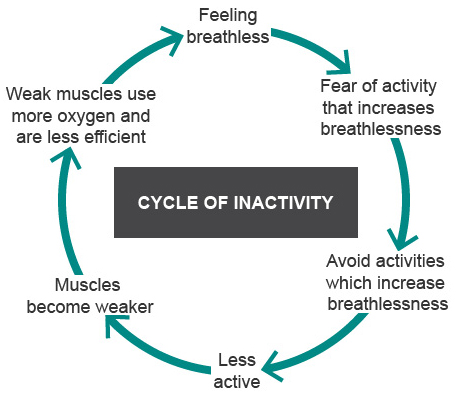
    نداشتن فعالیت های ورزشی و کم تحرکی موجب پیری زودرس و انواع کسالت و بیماری ها میشود

    Common in men and women :بیماری هایی نظیر

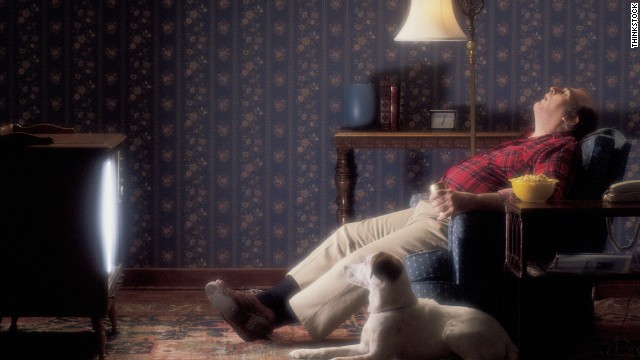
    • بیحالی و تنبلی inaction and lazinessPhysical Inactivity in Youth - It starts younger than you think! - Your  Therapy Source
    • خمودگی و افسردگی inaction and depression
    • چاقی مفرط excessive obesity
    • بی نشاطی impotence
    • پوکی استخوان Osteoporosis
    • بیماری های گوارشی Digestive diseases
    • کاهش یا افزایش فشار خون Decrease or increase blood pressure
    • چربی خون زیاد High blood fats
    • غلظت خون Blood concentration
    • کاهش میل جنسی Decreased libido
    • اختلالات اضطرابی Anxiety disorders

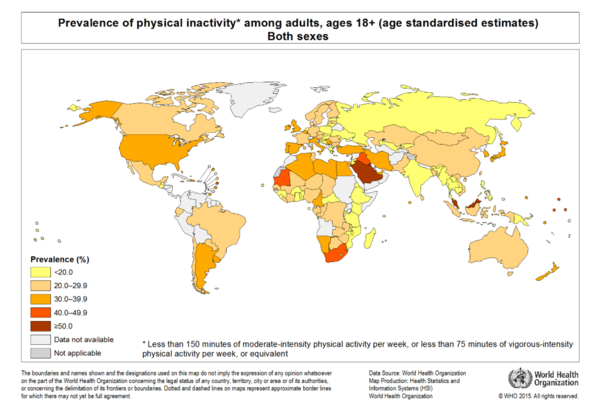
    Physical inactivity causes 1 in 10 deaths worldwide, study says | ActiGraph

    نکته مهم اینکه در خمودگی و بی تحرکی اندام های بدن بدرستی نمی توانند فعالیت معقولی داشته باشند و در نتیجه به مرور سموم در بافت ها تجمع میکنند و بالاخره انسان پس از مدتی دچار بیماری هایی میشود. تحرک کافی و ورزش و نرمش موجب میشود که فشار اندکی به استخوان ها وارد شود و همین امر موجب جذب کلسیم بیشتری شده و شخص را از دچار شدن به پوکی اشتخوان محافظت میکند...

    در هر صورت تحرک و ورزش باید متناسب با سن و سال و تغذیه فرد باشد تا نتیجه خوبی در بر داشته باشد

    What are the health risks of an inactive lifestyle?

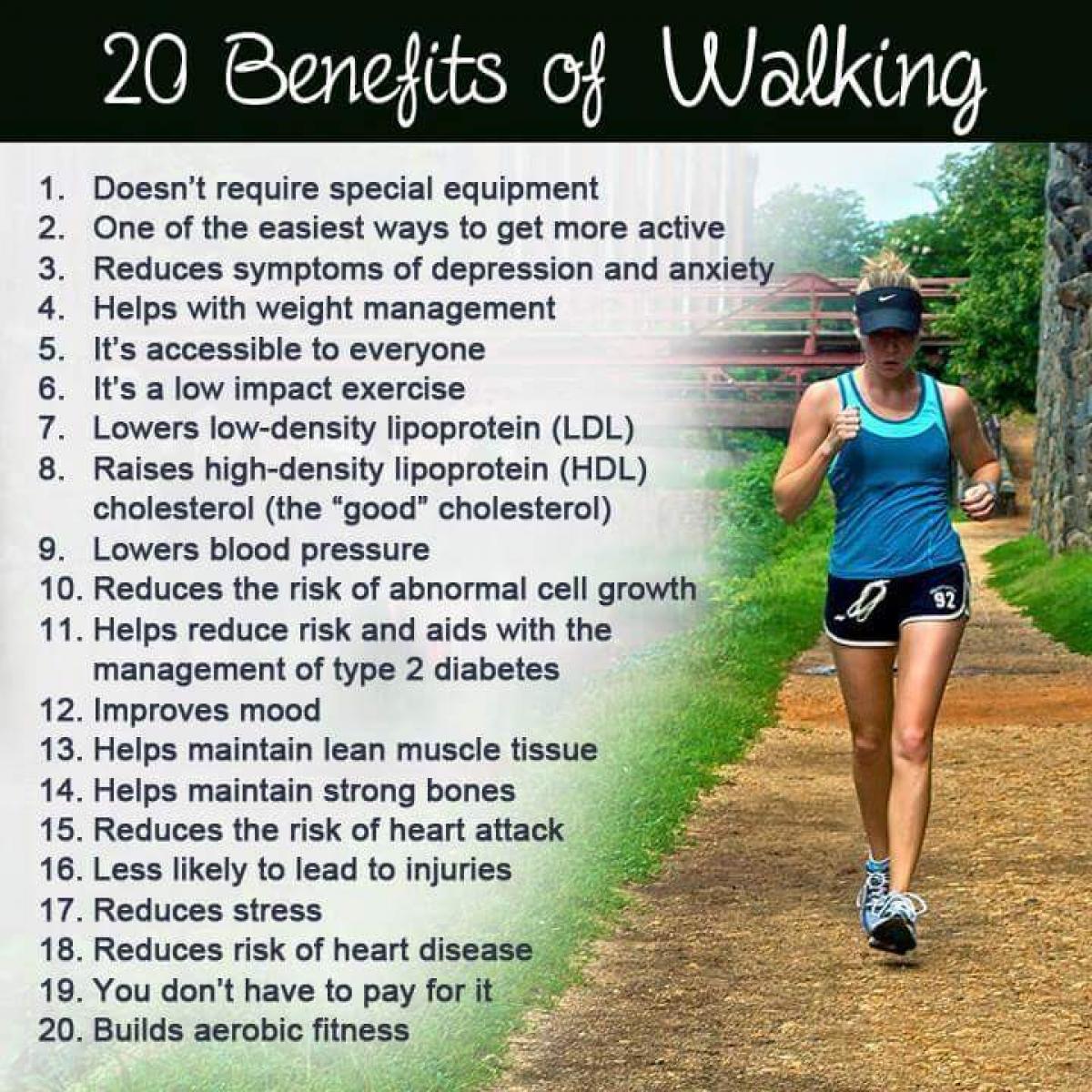
    20 Health Benefits of Walking

    Having an inactive lifestyle can be one of the causes of many chronic diseases. By not getting regular exercise, you raise your risk of

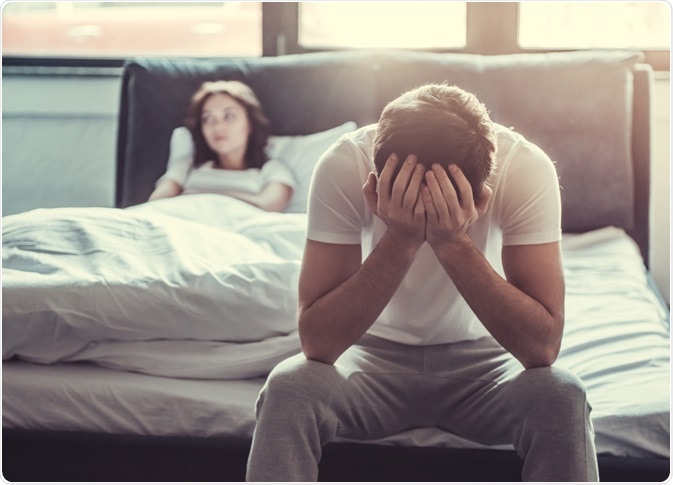
    Common Causes of Impotence
    -- News Medical
    Common Causes of Impotence
    • Obesity
    • Heart diseases, including coronary artery disease and heart attack
    • High blood pressure
    • High cholesterol
    • Stroke
    • Metabolic syndrome
    • Type 2 diabetes
    • Certain cancers, including colon, breast, and uterine cancers
    • Osteoporosis and falls
    • Increased feelings of depression and anxiety

    Physical Inactivity - Physiopedia

    Having a sedentary lifestyle can also raise your risk of premature death. And the more sedentary you are, the higher your health risks are.

    Sedentary lifestyles increase all causes of mortality, double the risk of cardiovascular diseases, diabetes, and obesity, and increase the risks of colon cancer, high blood pressure, osteoporosis, lipid disorders, depression and anxiety.

    Importance of exercise in Chronic Lung Disease | RESPe

    According to WHO, 60 to 85% of people in the world—from both developed and developing countries—lead sedentary lifestyles, making it one of the more serious yet insufficiently addressed public health problems of our time. It is estimated that nearly two-thirds of children are also insufficiently active, with serious implications for their future health.

    What factors are associated with physical inactivity in patients with  bronchiectasis?
    physical inactivity in patients

    Compared with individuals who had not been exposed to sedentary behavior, individuals who were exposed to sedentary behavior had a 30% higher risk of experiencing dementia. Sedentary behavior was associated with several chronic diseases that were also associated with cognitive impairment and risk of dementia.

    Reference:

    medicalnewstoday.com

    pmc.ncbi.nlm.nih.gov/articles/PMC7174309

    See also:

    The phrase “cold feet” doesn’t just refer to getting nervous before a big event like your wedding. Some people quite literally have cold feet, which either feel cold to them, cold to the touch, or both.

    Many people will experience cold feet at some point in their lives.

    Some causes are temporary and harmless, but others could indicate more serious health conditions.

    What causes cold feet?

    There are several different causes of cold feet. Sometimes, the simplest reason is a lack of warmth. If you’re in jeans and a t-shirt and your feet are bare, it makes sense that they may get cold first. However, there are other causes as well.

    Poor circulation

    This is one of the most common causes of cold feet. Poor circulation can make it difficult for enough warm blood to get to your feet regularly, keeping them cooler than the rest of your body.

    Circulation problems can come as a result of a heart condition, where the heart struggles to pump blood through the body at a quick enough pace. Poor circulation can be the result of sitting too much from a sedentary lifestyle. If you sit at a desk all day for work, you may experience this. Smoking can also cause poor circulation.

    17 Things That Can Go Wrong With Your Feet as You Age

    Lack of iron in your diet. If you don’t consume and absorb enough iron, you may not have enough healthy red blood cells to transport oxygen around

    Anemia

    Anemia develops when you have a shortage of red blood cells. This is another common cause of cold feet, especially in severe cases of anemia. Iron-deficiency anemia can occur even in otherwise very healthy people. It can be treated relatively easily with changes in diet and by taking supplements.

    Type 1 and type 2 diabetes

    Diabetes can cause not only feet that are cold to the touch, but also feet that feel cold due to nerve damage. Other symptoms may include numbness or tingling in the feet. If you’re experiencing any symptoms of nerve damage in the feet, see your doctor, and take extra care to check them for cuts or injuries.

    ? What Could Be Causing Poor Circulation

    Hypothyroidism

    This condition occurs when the thyroid is underactive and doesn’t produce enough thyroid hormone. This interferes with the body’s metabolism. Since metabolism controls both heartbeat and the body’s temperature, an underactive thyroid could contribute to reduced circulation and colder feet.

    Other less common causes of cold feet include:

    • peripheral vascular disease, or narrowing of the arteries due to plaques
    • Raynaud’s phenomenon, where blood vessels spasm
    • arteriosclerosis
    • nerve damage from other causes

    Vitamin B-12 deficiency

    A vitamin B-12 deficiency can give you neurological symptoms including the feeling of cold hands and feet, numbness, or tingling.

    Vitamin B-12 is found naturally in meat and dairy products, and is important for maintaining healthy red blood cells. Your body doesn’t make vitamin B-12, so you need to get it from the foods you eat.

    Other symptoms of a vitamin B-12 deficiency include:

    • fatigue
    • movement and balance problems
    • anemia
    • pale skin
    • shortness of breath
    • mouth sores
    • cognitive difficulties

    What you can do

    A blood test can indicate vitamin B-12 deficiency. Treatments can include your taking an oral supplement, receiving vitamin B-12 injections, and changes to your diet.

    How to Cure Plantar Fasciitis: Causes, Symptoms & Treatment

    سردی پاها یکی از واکنش‌های طبیعی بدن به دمای پایین و هوای سرد است. وقتی بدن در یک محیط سرد قرار می‌گیرد، رگ‌های خونی درون "دوراندام‌هایی" از قبیل دست‌ها و پاها تنگ‌تر می‌شوند. این انقباض رگ‌ها باعث کاهش جریان خون به آن نواحی می‌شود که نتیجه‌ی آن کاهش میزان هدر رفت دمای بدن نیز است. بنابراین این اقدام یک اقدام ایمنی از سوی بدن است.

    در توصیف "دوراندام" باید گفت: به بخش‌هایی از بدن گفته می‌شود که فاصله‌ی دورتری نسبت به ارگان‌های حیاتی بدن دارند. بنابراین کاهش جریان خون در دوراندام‌ها مثل پا و یا دست، به حفظ جریان خون و دما در ارگان‌های حیاتی و مهم‌تر کمک می‌کند.

    البته این کاهش جریان خون اگر طولانی‌مدت شود، می‌تواند موجب کاهش اکسیژن در اندام مربوطه شود که شاید باعث تغییر رنگ آن عضو از بدن به رنگی متمایل به آبی شود. معمولاً این علائم در شرایط سرمای موقت، خطرناک نیستند و به‌محض افزایش دمای بدن دوباره به شرایط طبیعی بازمی‌گردند.

    البته برخی افراد به سندروم رینود دچار هستند که در معرض سرما و یا استرس شدید قرار گرفتن،

    موجب کاهش گردش خون بدن آن‌ها می‌شود و نتیجه آن تغییر رنگ، سرد شدن و یا بی‌حس شدن انگشتان دست یا پا است موضوعات مربوط به گردش خون نیز یکی از رایج‌ترین دلایل سردی پاها است. بدن افراد مبتلا به گردش خون ضعیف، همیشه در تلاش برای رساندن خون گرم کافی به دوراندام‌ها هستند و ممکن است مکرراً با سردی پاها و یا دست‌ها مواجه باشند.

    Raynaud-Syndrom

    سندرم رینود (Raynaud's Syndrome) یک اختلال عملکردی در سیستم گردش خون است که منجر به تنگی عروق خونی کوچک در نواحی انتهایی بدن، به‌ویژه انگشتان دست و پا، در واکنش به سرما یا استرس می‌شود. این واکنش باعث کاهش خون‌رسانی، تغییر رنگ پوست، درد، بی‌حسی یا سوزن‌سوزن شدن می‌گردد.

    گردش خون ضعیف می‌تواند دلایل متفاوتی داشته باشد. داشتن سبک زندگی نشسته و نشستن‌های طولانی‌مدت می‌تواند منجر به کاهش گردش خون در پاها و حس سردی شود. همچنین استعمال مواد دخانی می‌تواند رسیدن خون به تمام نواحی بدن را با مشکلاتی مواجه کند. بنابراین احتمال سردی پاها در افرادی که مواد دخانی مصرف می‌کنند افزایش می‌یابد. کلسترول بالا می‌تواند باعث تشکیل پلاک‌ها در عروق خونی و متعاقباً منجر به کاهش گردش خون در بدن و پاها شود. این اتفاق نیز می‌تواند به احساس سردی پاها بیانجامد.برخی شرایط قلبی نیز ممکن است منجر به احساس سردی پاها شود بنابراین افرادی که دارای مشکلات قلبی هستند و یا در معرض بیماری‌ها و مشکلات قلبی قرار دارند و با سردی پا مواجه هستند بهتر است با پزشک خود در این زمینه صحبت کنند.

    3 Ways to Improve Circulation to Your Feet - wikiHow

    هنگام اضطراب، بدن هورمون آدرنالین را آزاد می کند. آدرنالین علاوه بر اینکه بدن را به حالت جنگ یا پرواز سوق می دهد، باعث می شود خون از قسمتهای کم اهمیت بدن مانند دست و پا برای محافظت از اندامهای اصلی شما دور شود. این ممکن است باعث احساس سرما در دست ها و پاهای شما شود.

    بهترین گزینه برای درمان و پیشگیری از سردی پاها، مشورت با پزشک برای تشخیص عوامل و درمان مرتبط با مشکل است. البته برخی درمان‌های خانگی نیز برای سردی پاها وجود دارد که به بیان برخی از آن‌ها می‌پردازیم.

    تحرک: یکی از ساده‌ترین راه‌ها بلند شدن و حرکت کردن است تا با این کار جریان خون به پاها افزایش یابد. افرادی که سردی پاهایشان ناشی از نشستن طولانی مدت است می‌توانند به راحتی با این روش پاهای خود را گرم کنند.

    ? What Can Cause Cold Feet

    استفاده از جوراب یا پاپوش: استفاده از جوراب یا پاپوش در فضای داخلی می‌تواند یکی از راه‌های گرم کردن پا و جلوگیری از هدر رفتن حرارت پا به‌ویژه برای کسانی که در خانه خود فرش و یا سیستم گرمایش از کف ندارند باشد.

    حمام پا: یکی از سریع‌ترین راه‌ها برای گرم کردن پاهای سرد این است که آن‌ها را داخل آب گرم بگذاریم. فرو بردن پاها در آب گرم به مدت ۱۰ الی ۱۵ دقیقه برای حفظ جریان خون گرم تازه برای پاها کافی به نظر می‌رسد. استفاده از این روش قبل از خواب به نظر بسیار مفید و کارآمد می‌آید و همچنین به کاهش تنش و آرامش عضلات نیز کمک می‌کند.

    البته افرادی که دچار دیابت هستند و قند خون خود را به‌خوبی کنترل نمی‌کنند بهتر است از این روش استفاده نکنند چراکه ممکن است بی‌حسی در پاهای آن‌ها مانع حس دمای بالای آب و موجب سوختگی ناخواسته پاها شود.

    پدهای گرم‌کننده و یا کیسه آب گرم: افرادی که به دلیل سردی پا نمی‌توانند بخوابند، می‌توانند از پدهای گرم‌کننده یا کیسه آب گرم در پایین تخت خواب خود استفاده کنند تا محیط گرمی به‌وسیله‌ی آن‌ها برای پای خود ایجاد کنند. از این روش برای تسکین درد عضلاتی که در طول روز فعالیت زیادی داشته‌اند نیز می‌توان استفاده کرد.

    نکات اضافی برای رفع سردی پاها:

    Remedies for Chronic Cold Feet
    ? Got Cold Feet
    • هنگام نشستن روی صندلی اجازه ندهید که پاهایتان آویزان بماند.چهار پایه ای زیر پای خود بگذارید.
    • فعالیت های هوازی مانند پیاده روی یا دوچرخه سواری را برای افزایش گردش خون مناسب و جلوگیری از سرد شدن پاها امتحان کنید.
    • در فصول سرما جوراب های گرم و راحت بپوشید.
    • اگر سیگاری هستید آن را ترک کنید زیرا ممکن است باعث ضعیف شدن گردش خون شود.
    • به طور مداوم کلسترول ، فشار خون و قند خون خود را بررسی کنید.
    • غذا های غنی از اسید های چرب امگا3 مانند ماهی سالمون، گردو، تخم کتان، دانه کدو تنبل را برای جلوگیری از عروق مسدود شده و گردش خون ضعیف مصرف کنید.
    • از درمان هایی مانند یوگا و یا طب سوزنی نیز میتوانید استفاده کنید.
    • شکلات تلخ سرشار از آنتی‌اکسیدان است که جریان خون را در دست ‌وپا افزایش می‌دهد.
    • زنجبیل باعث افزایش گردش خون می شود و می تواند با سرما مبارزه کند. بعلاوه می تواند خطر لخته شدن خون را نیز کاهش دهد.

    Reference:

    • trevorlanepodiatry.com.au/what-can-cause-cold-feet
    • healthline.com/health/cold-feet-and-hands#causes

    What are functional gastrointestinal disorders?

    Functional disorders are those in which the gastrointestinal (GI) tract looks normal but doesn't work properly. They are the most common problems affecting the GI tract (including the colon and rectum). Constipation and irritable bowel syndrome (IBS) are two common examples.

    Many factors may upset the GI tract and its motility (or ability to keep moving), including:

    • Eating a diet low in fiber
    • Not enough exercise
    • Traveling or other changes in routine
    • Eating large amounts of dairy products
    • Stress
    • Resisting the urge to have a bowel movement
    • Resisting the urge to have bowel movements due to pain from hemorrhoids
    • Overusing laxatives (stool softeners) that, over time, weaken the bowel muscles
    • Taking antacid medicines containing calcium or aluminum
    • Taking certain medicines (especially antidepressants, iron pills, and strong pain medicines such as narcotics)
    • Pregnancy

    Constipation

    Constipation means it is hard to have a bowel movement (or pass stools), they are infrequent (less than three times a week), or incomplete. Constipation is usually caused by inadequate "roughage" or fiber in the diet, or a disruption of the regular routine or diet.

    Constipation causes a person to strain during a bowel movement. It may cause small, hard stools and sometimes anal problems such as fissures and hemorrhoids. Constipation is rarely the sign of a more serious medical condition.

    You can treat your constipation by:

    • Increasing the amount of fiber you eat
    • Exercising regularly
    • Moving your bowels when you have the urge (resisting the urge causes constipation)

    If these treatment methods don't work, laxatives are a temporary solution. Note that the overuse of laxatives can actually make symptoms of constipation worse. Always follow the instructions on the laxative medicine, as well as the advice of your doctor.

    Irritable bowel syndrome (IBS)

    Irritable bowel syndrome (also called spastic colon, irritable colon, or nervous stomach) is a condition in which the colon muscle contracts more often than in people without IBS. Certain foods, medicines, and emotional stress are some factors that can trigger IBS.

    Symptoms of IBS include:

    • Abdominal pain and cramps
    • Excess gas
    • Bloating
    • Change in bowel habits such as harder, looser, or more urgent stools than normal
    • Alternating constipation and diarrhea

    Treatment includes:

    • Avoiding caffeine
    • Increasing fiber in the diet
    • Monitoring which foods trigger IBS (and avoiding these foods)
    • Minimizing stress or learning different ways to cope with stress
    • Sometimes taking medicines as prescribed by your healthcare provider

    What are structural gastrointestinal disorders?

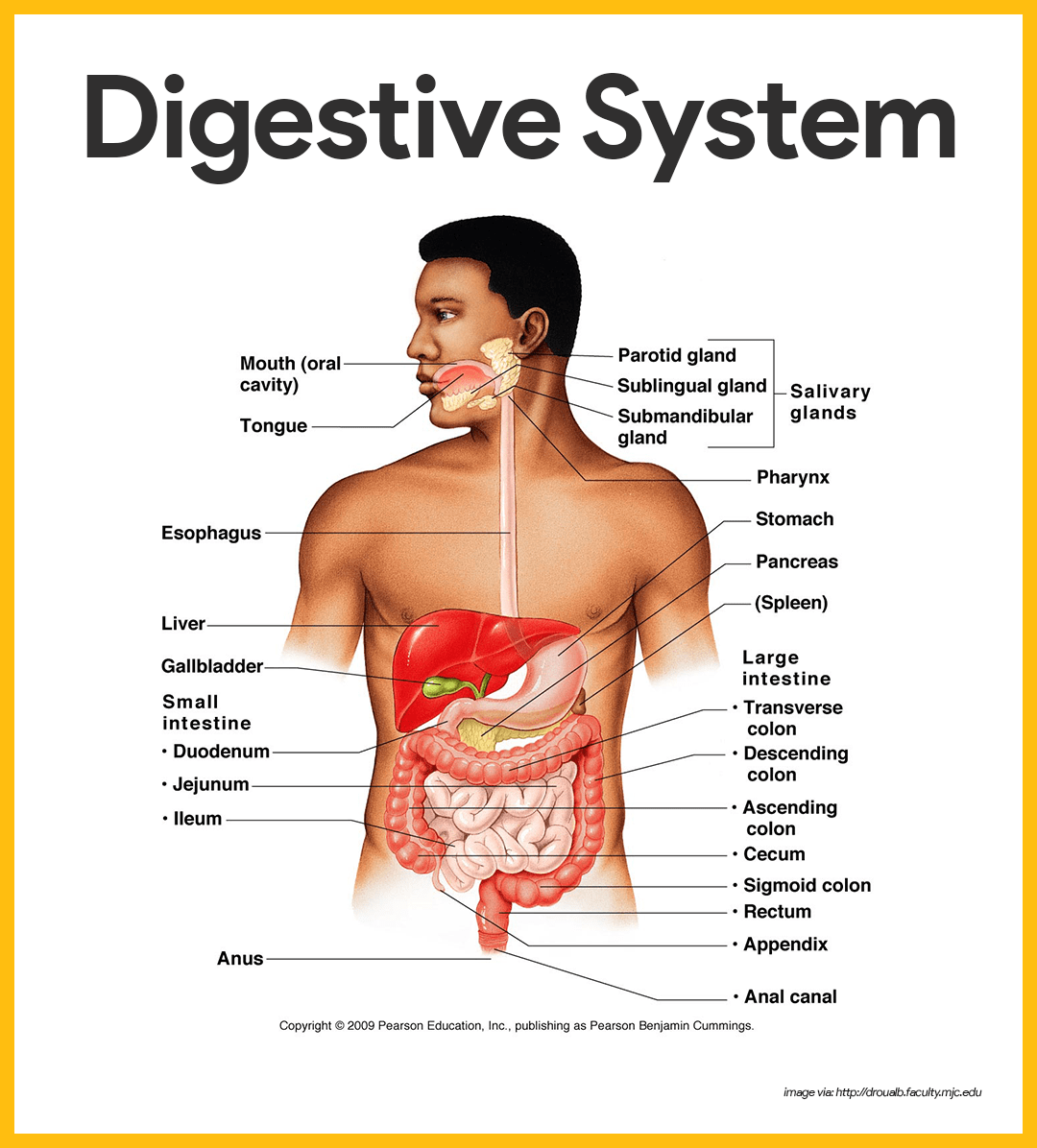
    Digestive system

    Structural disorders are those in which the bowel looks abnormal and doesn't work properly. Sometimes, the structural abnormality needs to be removed surgically. Common examples of structural GI disorders include hemorrhoids, diverticular disease, colon polyps, colon cancer, and inflammatory bowel disease.

    Anal disorders

    Hemorrhoids

    Hemorrhoids are swollen blood vessels that line the anal opening. They are caused by chronic excess pressure from straining during a bowel movement, persistent diarrhea, or pregnancy.

    There are two types of hemorrhoids: internal and external.

    Internal hemorrhoids

    Internal hemorrhoids are blood vessels on the inside of the anal opening. When they fall down into the anus as a result of straining, they become irritated and start to bleed. Ultimately, internal hemorrhoids can fall down enough to prolapse (sink or stick) out of the anus.

    Treatment includes:

    • Improving bowel habits (such as avoiding constipation, not straining during bowel movements, and moving your bowels when you have the urge).
    • Your doctor using elastic bands to eliminate the vessels.
    • Your doctor removing them surgically. Surgery is needed only for a small number of patients with very large, painful, and persistent hemorrhoids.

    External hemorrhoids

    External hemorrhoids are veins that lie just under the skin on the outside of the anus. Sometimes, after straining, the external hemorrhoidal veins burst and a blood clot forms under the skin. This very painful condition is called a pile.

    Treatment includes removing the clot and vein under local anesthesia and /or removing the hemorrhoid itself.

    Anal fissures

    Anal fissures are splits or cracks in the lining of the anal opening. The most common cause of an anal fissure is the passage of very hard or watery stools. The crack in the anal lining exposes the underlying muscles that control the passage of stool through the anus and out of the body. An anal fissure is one of the most painful problems because the exposed muscles become irritated from exposure to stool or air, and leads to intense burning pain, bleeding, or spasm after bowel movements.

    Initial treatment for anal fissures includes pain medicine, dietary fiber to reduce the occurrence of large, bulky stools, and sitz baths (sitting in a few inches of warm water). If these treatments don't relieve pain, surgery might be needed to repair the sphincter muscle.

    Perianal abscesses

    Perianal abscesses can occur when the tiny anal glands that open on the inside of the anus become blocked, and the bacteria always present in these glands cause an infection. When pus develops, an abscess forms. Treatment includes draining the abscess, usually under local anesthesia in the doctor's office.

    Anal fistula

    An anal fistula often follows drainage of an abscess and is an abnormal tube-like passageway from the anal canal to a hole in the skin near the opening of the anus. Body wastes traveling through the anal canal are diverted through this tiny channel and out through the skin, causing itching and irritation. Fistulas also cause drainage, pain, and bleeding. They rarely heal by themselves and usually need surgery to drain the abscess and "close off" the fistula.

    Other perianal infections

    Sometimes the skin glands near the anus become infected and need to be drained. Just behind the anus, abscesses can form that contain a small tuft of hair at the back of the pelvis (called a pilonidal cyst).

    Sexually transmitted diseases that can affect the anus include anal warts, herpes, AIDS, chlamydia, and gonorrhea.

    Diverticular disease

    Diverticulosis is the presence of small outpouchings (diverticula) in the muscular wall of the large intestine that form in weakened areas of the bowel. They usually occur in the sigmoid colon, the high-pressure area of the lower large intestine.

    Diverticular disease is very common and occurs in 10% of people over age 40 and in 50% of people over age 60 in Western cultures. It is often caused by too little roughage (fiber) in the diet. Diverticulosis rarely causes symptoms.

    Complications of diverticular disease happen in about 10% of people with outpouchings. They include infection or inflammation (diverticulitis), bleeding, and obstruction. Treatment of diverticulitis includes antibiotics, increased fluids, and a special diet. Surgery is needed in about half the patients who have complications to remove the involved segment of the colon.

    Colon polyps and cancer

    Each year 130,000 Americans are diagnosed with colorectal cancer, the second most common form of cancer in the United States. Fortunately, with advances in early detection and treatment, colorectal cancer is one of the most curable forms of the disease. By using a variety of screening tests, it is possible to prevent, detect, and treat the disease long before symptoms appear.

    Gastrointestinal Anatomy and Physiology | Nurse Key

    The importance of screening

    Almost all colorectal cancers begin as polyps, benign (non-cancerous) growths in the tissues lining the colon and rectum. Cancer develops when these polyps grow and abnormal cells develop and start to invade surrounding tissue. Removal of polyps can prevent the development of colorectal cancer. Almost all precancerous polyps can be removed painlessly using a flexible lighted tube called a colonoscope. If not caught in the early stages, colorectal cancer can spread throughout the body. More advanced cancer requires more complicated surgical techniques.

    Most early forms of colorectal cancer do not cause symptoms, which makes screening especially important. When symptoms do occur, the cancer might already be quite advanced. Symptoms include blood on or mixed in with the stool, a change in normal bowel habits, narrowing of the stool, abdominal pain, weight loss, or constant tiredness.

    Most cases of colorectal cancer are detected in one of four ways:

    • By screening people at average risk for colorectal cancer beginning at age 50
    • By screening people at higher risk for colorectal cancer (for example, those with a family history or a personal history of colon polyps or cancer)
    • By investigating the bowel in patients with symptoms
    • A chance finding at a routine check-up

    Early detection is the best chance for a cure.

    Colitis

    Screening For Gastrointestinal Disorders with the Gastrolyzer - This  Quarterly

    There are several types of colitis, conditions that cause an inflammation of the bowel. These include:

    • Infectious colitis
    • Ulcerative colitis (cause not known)
    • Crohn's disease (cause not known)
    • Ischemic colitis (caused by not enough blood going to the colon)
    • Radiation colitis (after radiotherapy)

    Colitis causes diarrhea, rectal bleeding, abdominal cramps, and urgency (frequent and immediate need to empty the bowels). Treatment depends on the diagnosis, which is made by colonoscopy and biopsy.

    Can gastrointestinal disease be prevented?

    Many diseases of the colon and rectum can be prevented or minimized by maintaining a healthy lifestyle, practicing good bowel habits, and submitting to cancer screening.

    Colonoscopy is recommended for average risk patients at age 50. If you have a family history of colorectal cancer or polyps, colonoscopy may be recommended at a younger age. Typically, colonoscopy is recommended 10 years younger than the affected family member. (For example, if your brother was diagnosed with colorectal cancer or polyps at age 45, you should begin screening at age 35).

    If you have symptoms of colorectal cancer you should consult your doctor right away. Common symptoms include:

    • A change in normal bowel habits
    • Blood on or in the stool that is either bright or dark
    • Unusual abdominal or gas pains
    • Very narrow stool
    • A feeling that the bowel has not emptied completely after passing stool
    • Unexplained weight loss
    • Fatigue

    Gastrointestinal disease

    • Irritable bowel syndrome
    • Inflammatory bowel disease
    • Crohn's disease
    • Gastroenteritis
    • Celiac disease
    • Stomach disease
    • functional gastrointestinal disorders
    • Colitis
    • Enteropathy
    • Hirschsprung's disease
    • Giardiasis
    • Enteritis
    • Fistula
    • Intussusception
    • Colorectal polyp
    • Ileus
    • Stomach cancer
    • Parasitic disease
    • Intestinal pseudoobstruction
    • Angiodysplasia
    • Short bowel syndrome
    • Small intestinal bacterial overgrowth
    • Hookworm
    • Gastrointestinal bleeding
    • Amoebiasis
    • Gastrointestinal perforation
    • Adhesions
    • Volvulus
    • Cryptosporidiosis
    • Whipple's disease
    • Adenocarcinoma
    • Lymphangiectasia
    • Ischemic colitis
    • Necrotizing enterocolitis
    • Meckel's diverticulum
    • ...

    Reference: my.clevelandclinic.org/health/articles/7040-gastrointestinal-disorders

    Nutrition (also called nourishment or aliment) is the provision, to cells and organisms, of the materials necessary (in the form of food) to support life. Many common health problems can be prevented or alleviated with a healthy diet.

    The roles of the five major nutrients

    They are categorized as proteins, fats, carbohydrates (sugars, dietary fiber), vitamins, and minerals, and perform the following vital functions.

    As a Mom, we know you want your kids and the entire family to eat the foods they need to grow, develop, and do their best. That's why we have provided these recipes, videos, tips, and factsheets just for you! You will find quick and easy recipes kids and other family members will enjoy. Videos, rollover widgets, and factsheets provide ideas on ways to get your kids to try new foods, eat whole grains, fruits and vegetables, and low-fat milk and yogurt.

    Food and nutrition play a crucial role in health promotion and chronic disease prevention. Every 5 years, HHS and USDA publish the Dietary Guidelines for Americans, the Nation’s go-to source for nutrition advice. The latest edition of the Dietary Guidelines reflects the current body of nutrition science, helps health professionals and policymakers guide Americans to make healthy food and beverage choices, and serves as the science-based foundation for vital nutrition policies and programs across the United States.

    Food and nutrition are the way that we get fuel, providing energy for our bodies. We need to replace nutrients in our bodies with a new supply every day. Water is an important component of nutrition. Fats, proteins, and carbohydrates are all required.

    Various nutrition guides are published by medical and governmental institutions to educate the public on what they should be eating to promote health. Nutrition facts labels are also mandatory in some countries to allow consumers to choose between foods based on the components relevant to health.

    If you have fatty liver disease, your doctor may recommend avoiding certain foods — or at least eating them sparingly. These foods generally contribute to weight gain and can increase blood sugar.

    Avoid when possible

    • Alcohol. Alcohol can be a major cause of fatty liver disease as well as other liver diseases.
    • Added sugar. Stay away from sugary foods such as candy, cookies, sodas, and fruit juices. High blood sugar increases the amount of fat buildup in the liver.
    • Fried foods. These are high in fat and calories.
    • Added salt. Consuming too much salt can increase the risk of NAFLD. It’s recommendedTrusted Source to limit sodium intake to less than 2,300 milligrams per day. People who have high blood pressure should limit salt intake to no more than 1,500 mg per day
    • White bread, rice, and pasta. White flour is typically highly processed, and items made from it can raise your blood sugar more than whole grains, due to a lack of fiber.
    • Red meat. Beef and deli meats are high in saturated fat.

    In addition to modifying your diet, here are a few other lifestyle changes you can make to improve your liver health:

    1. Get active. Exercise, paired with diet, can help you lose weight and manage your liver disease. Aim to get at least 30 minutes of aerobic exercise on most days of the week.
    2. Lower blood lipid levels. Watch your saturated fat and sugar intake to help keep your cholesterol and triglyceride levels under control. If diet and exercise aren’t enough to lower your cholesterol, ask your doctor about medication.
    3. Control diabetes. Diabetes and fatty liver disease often occur together. Diet and exercise can help you manage both conditions. If your blood sugar is still high, your doctor can prescribe medication to lower it.

    Nutrition studies how food and drinks affect your body. It pays special attention to the essential nutrients necessary to support your general wellbeing. These essential nutrients provide you energy or can be transformed in part of your body’s tissues.

    These nutrients are:

    1. Carbohydrates
    2. Fats
    3. Fibre
    4. Minerals
    5. Proteins
    6. Vitamins
    7. Water.

    Why is good nutrition important?

    1.Good nutrition boost your immune system

    The immune system is your defence against diseases. That is why, nutrition is so important because it boosts your immune system and keeps it healthy. On the other hand, malnutrition makes you more prone to chronic diseases.

    2.Proper nutrition provides you with more energy

    Your body relies on energy that is outsourced from the foods and drinks you consumed. The main nutrients your body uses to get energy are carbohydrates, fats and protein.

    Good carbohydrates are found in foods such as wholegrain breads and starchy vegetables like potatoes. These foods digest at a slow rate and therefore offer prolonged energy.

    Water is also necessary in order to transport nutrients throughout our bodies. Dehydration can cause lack of energy.

    3.What you eat influences your mood

    Many people prefer diets that are low in carbohydrates, however, this can be detrimental to your mood. These diets can increase feelings of tension, stress and anxiety. Whereas diets high in carbohydrates (the good ones) tend to have an uplifting effect on your mood.

    If you have a healthy diet rich in protein, reasonable carbohydrates and low in fat, you will get an adequate supply of iron, omega-3 fatty acids and iron, and your mood will be positively affected by these nutrients.

    4.Improves you general well Being

    Good nutrition can also help with your physical and mental health. Eating healthily allows you to have more energy, and therefore become more active. Studies have shown that two thirds of people who eat fruit and vegetables every single day report no mental health issues.

    5.Good nutrition helps you live longer

    Your body needs healthy food in order to be healthy and survive, however, metabolise food causes stress in the body. If you overeat, you will be creating more stress and this could potentially lead to a short lifespan. For that reason, you need to do some changes in your eating habits. You can also try alternatives, like playing, in order to reduce that stress.

    When you feed your body with the wrong types of food our lifespan can hugely decline because of this. On the other hand, when your diet is rich in nutrients, and doesn’t contain processed foods, your life may be lengthened.

    At Perea Clinic we offer nutrition therapy to help you to meet your personal goals and requirements.

    6.Helps achieve and maintain a healthy weight

    Proper eating habits lead you to achieve your wanted weight. Remember to have the assistance of a professional not only to achieve it, but also to maintain it through the years.

    Reference:

    • healthline.com/health/fatty-liver-diet#extra-steps
    • sciencedirect.com/science/article
    • medicalnewstoday.com/articles/160774
    • pereaclinic.com/importance-of-good-nutrition

    Bad Habit to Break: Eating on the Run. Eating in the car, snacking at your desk, drinking a high-calorie smoothie or latte while walking around-it's all too easy to take in excessive calories if you're eating on the go. To curb this type of distracted eating, sit down to eat.

    It’s not just willpower, or a lack thereof, that makes us overeat and gain weight. Sometimes, it’s that sneaky bad habit you developed without even realizing it, like dashing out the door some mornings without breakfast, or munching chips in front of your favorite TV show. The next thing you know, one little bad habit can equal out to a lot of weight gain. The worst part is, you might not even realize what you’re doing to your diet.

    Here, quick fixes for some of the most common bad eating and lifestyle habits that can cause you to pack on pounds.

    The Bad Habits:

    • Skipping Breakfast
    • Emotional Eating

    • Eating Too Quickly

    • Not Getting Enough Sleep

    • Vegging Out With Video Games

    • Eating Junk Food

    • Mindless Eating


    4 types of eating habits

    Eating should not be complicated.

    And yet for some people, it is the most complicated part of their existence.

    Breaking down the different types of eating can be helpful.

    There are four types of eating:

    FUEL EATING

    This is the only reason we need to eat because food is fuel. We need it to survive and thrive. Fuel eating happens when the body cues us that it is hungry and in need of nutrients for energy.

    When we are fuel eating, we choose to eat foods that are nourishing to the body and stop when we are satisfied. This should, ideally, happen consciously and intentionally.

    JOY EATING

    This is eating foods that don’t have nutritional value for our body (desserts, savoury snacks, and the like), but it provides pleasure. Joy eating can and should happen occasionally so that we are satisfying our need for pleasure that we get from food.

    Ideally, joy eating should be done minimally and mindfully so that you actually experience the pleasure of that food.

    FOG EATING

    This is all the mindless eating that occurs during and between meals, whether it’s fuel or joy eating. It’s the grazing and snacking that you may not be aware of: it’s eating when you are not hungry.

    Fog eating is overeating. And overeating is the reason we gain weight or not lose extra weight.

    STORM EATING

    This type of eating feels out of control, and always results in negative consequences both physically and emotionally. Storm eating can look like binge eating where nothing seems enough. It is absolutely an act out of emotional cues and not physical hunger.

    To be healthy, maintain a healthy weight and have a peaceful relationship with food, we are meant to mostly practice fuel eating and occasional joy eating.

    How can we do this?

    • First, become aware of your eating patterns.
    • Second, decide what you want to change.
    • Third, be conscious of what, why and how you are eating.
    • Fourth, practice and repeat.

    All the while, practice patience and compassion with yourself.

    It may sound simple, but it is not always easy.

    But it is entirely possible.

    Reference:

    • kityoon.com/4-types-of-eating
    • everydayhealth.com/diet-and-nutrition-pictures/bad-eating-habits-and-how-to-break-them.aspx

    healthy4you.blogfa.com
    Health & Wellness وبلاگ تخصصی سلامت شامل مجموعه مطالب پزشکی است و اطلاعات مفیدی در رابطه با بهداشت، ایمنی، سلامتی بدن و راه های پیشگیری از بیماریها را در اختیار شما کاربر محترم می گزارد.

    eMail: navid.aj@gmail.com
    نوید عجمین Navid Ajamin
    همیشه سلامت باشید...

    unicef for every child

    شمارنده