ابزار وبمستر

The technology for a pedometer includes a mechanical sensor and software that counts steps. Early forms used a mechanical switch to detect steps together with a simple counter. If one shakes these devices, one hears a lead ball sliding back and forth, or a pendulum striking stops as it swings.

A pedometer, or step-counter, is a device, usually portable and electronic or electromechanical, that counts each step a person takes by detecting the motion of the person's hands or hips. Because the distance of each person's step varies, an informal calibration, performed by the user, is required if presentation of the distance covered in a unit of length (such as in kilometers or miles) is desired, though there are now pedometers that use electronics and software to determine how a person's step varies automatically. Distance traveled (by walking or any other means) can be measured directly by a GPS receiver.

Used originally by sports and physical fitness enthusiasts, pedometers are now becoming popular as an everyday exercise counter and motivator. Often worn on the belt and kept on all day, it can record how many steps the wearer has walked that day, and thus the kilometers or miles (distance = number of steps × step length).

Some pedometers will also erroneously record movements other than walking, such as bending to tie one's shoes, or road bumps incurred while riding a vehicle, though the most advanced devices record fewer of these 'false steps'. Step counters can give encouragement to compete with oneself in getting fit and losing weight.

A total of 10,000 steps per day, equivalent to 8 kilometres (5.0 mi), is recommended by some to be the benchmark for an active lifestyle, although this point is debated among experts, and the target originated in a marketing campaign by a manufacturer of pedometers. Thirty minutes of moderate walking are equivalent to 3,000-4,000 steps as determined by a pedometer. Step counters are being integrated into an increasing number of portable consumer electronic devices such as music players, smartphones, mobile phones and watches (called activity trackers)

  1. Pedometer - Step Counter App
  2. Step Counter - Pedometer
  3. Walk with Map My Walk
  4. Pacer Pedometer & Step Tracker
  5. MyFitnessPal
  6. Accupedo Pedometer
  7. ASICS Runkeeper — Run Tracker
  8. Fitbit
  9. Samsung Health ***
  10. Google Fit

See also: Do you know how pedometers work?

Leonardo da Vinci (1452–1519) envisioned a mechanical pedometer as a device with military applications.The Germanic National Museum in Nuremberg has a pedometer in its collection from around 1590. In 1685 Gottfried Leibniz wrote of his time in France, "...several years ago [1672–1674] I saw for the first time an instrument which, when carried, automatically records the number of steps taken by a pedestrian." In 1780 Abraham-Louis Perrelet of Switzerland created a pedometer, measuring the steps and distance while walking; it was based on a 1770 mechanism of his to power a self-winding watch. A mechanical pedometer obtained from France was introduced in the US by Thomas Jefferson. It is not known if he modified the design; although this pedometer is widely attributed to Jefferson, proof is difficult to obtain as he did not apply for patents on any of his inventions.

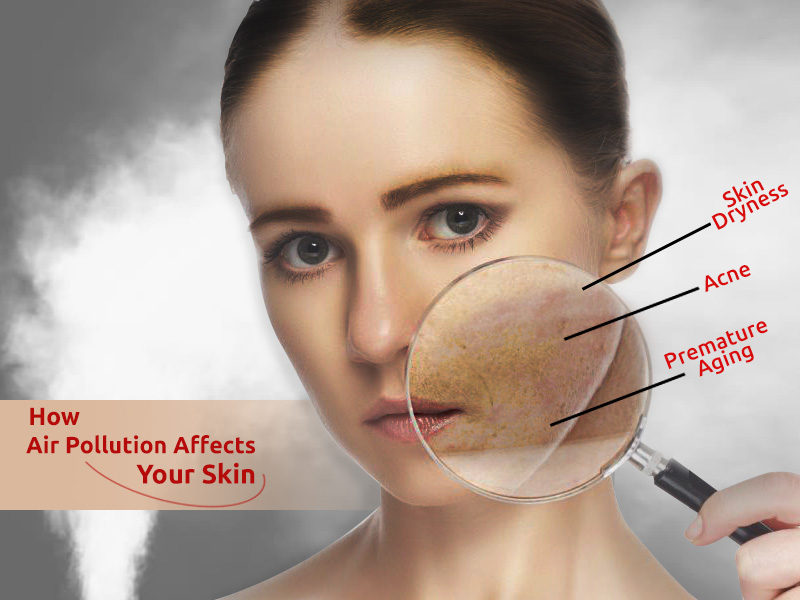
Air pollution, which is a mixture of natural and man-made substances in the air we breathe, can affect humans, plants and animals. Air pollution has been linked to a wide array of health effects. Among them are heart disease, stroke, lung cancer, both chronic and acute respiratory diseases, including asthma.

But did you also know how air pollution impacts your eyes and vision? Polluted air can increase your risk of eye problems, ranging from simple irritation and burning to severe allergy, cataract and even cancer. The most common ones being redness, itching and burning sensation, watering eye, difficulty in vision, discharge, allergic reaction, including severe itching, eyelid swelling and risk of conjunctivitis.

Studies have also linked high air pollution levels to increased occurrences of dry eye syndrome. Dry eye syndrome is a chronic condition in which your eyes can’t produce the right amount of tears to stay wet. This lack of moisture makes your eyes feel gritty, scratchy, or itchy, or produces a burning sensation.

While you can’t always prevent dry eye syndrome as acquiring of this condition increases with age, there are many steps you can take to minimise your risk of infections.

These include:

  • Wearing sunglasses or goggles while outdoors.

  • Avoiding vigorous eye rubbing in case of irritation.

  • Taking plenty of fluids to stay hydrated - if you don’t have enough water in your body, you won't be able to produce the amount of tears you need for pain-free eyes.

  • Using lubricating eye drops given by eye specialists.

  • Not wearing contact lens and eye makeup if eyes are feeling sore.

  • Not smoking since cigarette smoke quickly dries out your eyes and cause constant eye irritation.

  • Installing a high-quality air filter at home to keep outdoor air pollutants out of your nest.

Besides following the above guidelines, you can reduce your risk of eye infections by minimising your exposure to outdoor air pollutants and staying indoors as much as possible.

Reference:

zeenews.india.com/health/air-pollution-how-it-affects-your-eyes-helpful-tips-to-protect-your-vision-1948647

همه ساکنان شهرهای بزرگ و البته شهرهای صنعتی کشورمان به نوعی دچار مسمومیت شده و قربانی آلودگی هوا می‌شوند. منوکسید کربن، اکسید نیتروژن، اکسید سولفور، ذرات معلق در هوا و هیدروکربن‌ها از جمله همین مواد آلوده‌کننده است که بدن انسان را در برابر عفونت‌های بیماری‌زا حساس‌تر کرده، مشکلات تنفسی، تحریک چشم و ناراحتی‌های قوه بویایی را افزایش می‌دهد که همه این عوارض به شکل پررنگ‌تری در کودکان بروز می‌کند.

 البته برای حفظ سلامت بدن می‌توان نکاتی را در نظر گرفته و با رعایت‌شان از بروز شرایط اضطراری پیشگیری کنیم.

The great number of high-emission cars and motorcycles, old clunkers, heavy vehicles of poor standards which mostly operate on diesel engines on one hand and pollutant industries located on the outskirts of the capital on the other hand coupled with poor infrastructure for development of public transport are among the main causes of severe and choking air pollution of Tehran.

Tehraners who may experience better air quality during spring and summer face their worst nightmare during cold, dry, and rainless days of autumn and winter.

As responsible citizens, it is our duty to find a solution for the worsening air pollution by using public transportation, carrying out vehicle inspection tests or even planting trees in front of our houses.

But we are also responsible for our health. How can we counter the harmful effects of air pollution with a healthy diet? Here is a guide!

Store antioxidants as far as you can!

Antioxidants include selenium, and beta-carotene will be your best friends during days of pollution.

Cantaloupe, mango, pumpkin, bell pepper, spinach, cabbage and apricot are rich in beta-carotene.

Selenium is found in sea food, chicken, bread, nuts and whole grains.
The foods, which are rich in antioxidants, are the best enemies of free radicals.

But what are free radicals? Free radicals are highly unstable molecules that are naturally formed when you exercise and when your body converts food into energy.

However your body can also be exposed to free radicals from a variety of environmental sources, such as cigarette smoke, air pollution, and sunlight. 

They can cause “oxidative stress,” a process that can trigger cell damage. Oxidative stress is thought to play a role in a variety of diseases including cancer, cardiovascular diseases, diabetes, Alzheimer’s disease, Parkinson’s disease, and eye diseases such as cataracts and age-related macular degeneration.

Vitamins E, C: Best enemies of air pollution 

Don’t forget eating celery, spinach, tomato, sweet lemon, orange, tangerine and lettuce wherever you are, inside your car, at your home or in the office!

They are rich in vitamin C and according to studies such foods lower the harmful effects of air pollution.

You can find vitamin E in wheat germ, vegetable oil, walnut, almond, olive and vegetables with green leaves.

Milk, butter and yolk are also good sources for Vitamin E.

An apple a day keeps lead toxicity away!

Eat an apple a day and its pectin protects you against lead toxicity in the air!

Don’t forget dairies!

During air pollution, consume milk, yoghurt and other dairies as much as you can. They contain phosphorus, magnesium and calcium, which help you fight effects of air pollution on your body.

The protein in the milk can combine lead into soluble compound, which can prevent the body from absorbing lead as well as removing it from the body.

Calcium and iron decrease the absorbed dose of lead and in this way they protect you from air pollution.

Garlic and onion are your smelly friends!

Garlic and onion help you to keep your lungs healthy. Allicin in garlic acts as a powerful natural antibiotic agent in the body and can help kill off respiratory infections that can clog your lungs. 

Junk food, fast food prohibited!

Junk food negates all your efforts to protect yourself from air pollution damages. Replace such foods with dairies and vegetables to improve your health.

چی نخوریم؟


چرب و چیلی‌ها ممنوع!
در روزهایی که آلودگی هوا بسیار زیاد است، از غذاهای چرب به‌خصوص چربی‌های جامد حیوانی و گیاهی استفاده نکنید که مصرف چنین غذاهایی فقط باعث تشدید کاهش توان بدنی و ذهنی شما در طول روز خواهد شد.
پس استفاده از تنقلات کم ارزش مثل چیپس، پفک و نوشابه‌های گازدار را بی‌خیال شوید که باعث اختلال جذب عناصر مفید در بدن می‌شود و می‌تواند اثرات منفی آلودگی هوا را تشدید کند.
مصرف موادی مثل سوسیس و کالباس هم به دلیل داشتن مواد شیمیایی و نگهدارنده، علاوه بر این که به خودی خود مضر و سرطان‌زاست، برای ساکنان شهرهایی که هوای ناسالم دارد، به هیچ‌وجه توصیه نمی‌شود.

خرید از وانتی ممنوع!

در روزهای آلودگی هوا نباید از وانتی‌هایی که میوه و سبزیجات تازه را در کنار خیابان‌ها می‌فروشند یا مغازه‌هایی که سبزیجات خود را بیرون از مغازه و در مسیر عبور خودروها می‌گذارند، میوه و سبزی بخرید.

 چی بخوریم؟
در هوای آلوده باید برخی مواد غذایی را مصرف کرد که خاصیت خنثی‌کنندگی مواد سمی موجود در هوا را داشته باشند.


- از اسفناج تا ماهی!
مصرف غذاهایی که حاوی آنتی‌اکسیدان‌های سلنیوم و بتاکاروتن هستند هم توصیه می‌شود؛ هنگام آلودگی هوای استنشاقی، مقدار زیادی رادیکال آزاد در بدن تولید می‌شود که سبب کاهش توان فرد در انجام کارهای روزمره زندگی شده و حتی در دراز مدت می‌تواند بیماری‌های مزمن مانند بیماری قلبی- عروقی و انواع سرطان را ایجاد کند.
برای به حداقل رساندن عواقب ناشی از تجمع رادیکال‌های آزاد در بدن مصرف آنتی‌اکسیدان‌ها را در رژیم غذایی افزایش دهید. سبزیجات و میوه‌هایی مثل طالبی، انبه، کدو تنبل، فلفل،اسفناج و کلم بتاکاروتن دارند. سلنیوم را هم می‌توانید در غذاهای دریایی، مرغ، نان، آجیل و غلات سبوس‌دار پیدا کنید.

- E + C + D= ضد آلودگی
چه در خانه هستید، چه در محل کار و چه پشت فرمان، از مواد غذایی مثل: کرفس، اسفناج، گوجه‌فرنگی، لیمو شیرین، نارنگی، پرتقال و برگه سبز کاهو استفاده کنید که غنی از ویتامین C هستند.
البته مصرف جوانه گندم، روغن‌های گیاهی، گردو، بادام، زیتون، جگر و سبزیجات دارای برگ سبز که منابع ویتامین E هستند را هم فراموش نکنید. به خصوص اگر شغل‌تان طوری است که باید بیشتر در هوای آزاد باشید؛ این ویتامین می‌تواند مسمومیت ناشی از آلودگی هوا را خنثی کند.
از سوی دیگر در زمان آلودگی هوا، ساخت ویتامین D از طریق پوست به شدت کاهش می یابد. به همین دلیل در شهرهای بزرگ که معمولا هوای آلوده دارند، کمبود ویتامین D در میان مردم شیوع بالایی دارد. منابع مناسب ویتامین D هم شیر، کره و زرده تخم‌مرغ هستند که باید در برنامه غذایی روزانه‌تان باشند.

- پکتین بخورید!
مواد غذایی که سرشار از پکتین هستند، سرب موجود در هوا را می‌گیرند و مانع از نفوذ سرب به سلول‌های بدن می‌شوند؛ مصرف روزانه یک عدد سیب می‌تواند عوارض ناشی از آلودگی هوا را کاهش داده و میوه‌هایی مانند پرتقال و توت‌فرنگی نیز سرشار از پکتین بوده و برای کاهش عوارض آلودگی هوا مفید هستند.

- لبنیات کم‌چرب میل کنید

در هوای آلوده باید بیشتر از همیشه شیر، ماست و دوغ بنوشید، زیرا فسفر، منیزیم و کلسیمی که در لبنیات یافت می‌شود، همگی خنثی‌کننده سموم هستند و برای کاهش صدمات دستگاه تنفسی و التهاب دستگاه گوارش ناشی از آلودگی هوا، باید مصرف شیر و لبنیات بیش از پیش شود.
مصرف شیر و فراورده‌های آن باعث نرم‌شدن مخاط تنفسی فوقانی، مری و معده می‌شود و به‌دلیل وجود ترکیبات مناسب برای رشد و نمو باکتری‌های مفید که عمل دفع ادرار و مدفوع و مواد آلاینده را تنظیم می‌کنند، التهابات و بیماری‌های دستگاه گوارش را کاهش می‌دهد.

- کمبود کلسیم = جذب سرب بیشتر!

افرادی که کمبود کلسیم دارند، بیشتر در معرض خطر آلودگی با سرب قرار می‌گیرند. چون گیرنده‌های فلزات 2 ظرفیتی در بدن انسان به‌صورت رقابتی عمل می‌کنند و در صورتی که این گیرنده‌ها، قبلا با فلزات مورد نیاز بدن مانند آهن و کلسیم اشباع شده باشند، بدن کمتر در معرض آلودگی با سرب قرار می‌گیرد برای جلوگیری از آلودگی زیاد با سرب بهتر است لبنیات بیشتری مصرف کنید که منبع غنی کلسیم هستند.

- سیر و پیاز بخورید

سیر، پیاز و تره فرنگی، هر قدر هم که بوی آزاردهنده‌ای داشته باشند اما حاوی مقدار زیادی گوگرد هستند که می توانند از مخاط دستگاه تنفسی محافظت کنند.

- نوشیدن آب زیاد

Image result for drinking water

نوشیدن زیاد آب به کلیه‌ها کمک می‌کند تا املاح اضافی از بدن خارج شود و ذرات آلودگی مدت کمتری در بدن باقی بماند.

Reference:

  • salamatnews.com
  • tehrantimes.com/news/418411/Air-pollution-what-to-eat-what-not-to-eat

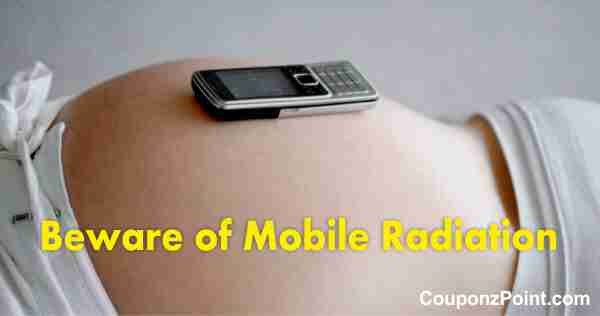
The effect of mobile phone radiation on human health is the subject of recent interest and study, as a result of the enormous increase in mobile phone usage throughout the world (as of June 2009, there were more than 4.3 billion users worldwide). Mobile phones use electromagnetic radiation in the microwave range. Other digital wireless systems, such as data communication networks, produce similar radiation.[1]

Effect of the EM radiation on human according to the age step (a) skull...  | Download Scientific Diagram

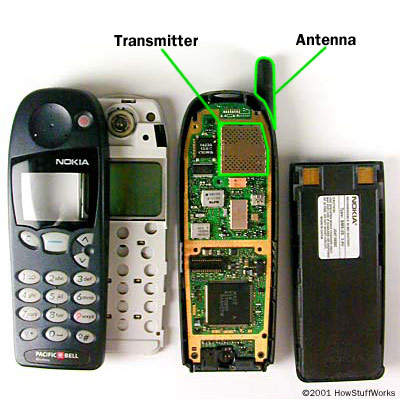
The antenna, and radiation hazards

International Braz J Urol ::A cellular telephone(s) main source of RF energy is its antenna. Therefore, the closer the antenna is to the head, the greater a person(s) expected exposure to RF radiation. The amount of RF radiation absorbed decreases rapidly with increasing distance between the antenna and the user. 
The antenna of hand-held cellular telephones is in the handset, which is typically held against the side of the head while the phone is in use. The antenna of a car cellular telephone is mounted on the outside of the car, some distance from the user.[2]

Source of Radiation - How Cell-phone Radiation Works | HowStuffWorks

Studies have linked cell phone radiation to health problems such as headaches, high blood pressure, brain tumors, cancer, Alzheimer's, and more. There is a latency period for most diseases and it may take years and more studies before the required weight of evidence is established. But the effects are cumulative and precautions should be taken now before it is too late.

Best ways for cell phone radiation protection | How to reduce

Here are some steps you can take to minimize the effects of cell phone radiation exposure:

  1. Limit use to essential calls and keep calls short. Even a two-minute call has been found to alter the natural electrical activity of the brain for up to an hour afterwards. 

  2. Children should be allowed to use the cell phone in cases of emergency only. Because of their developing skulls, the radiation can penetrate much more deeply.

  3. Wear an air tube headset (not regular wired headset).The regular wired headset has been found to intensify radiation into the ear canal. The wire transmits not only the radiation from the cell phone but also serves as an antenna attracting EMFs (electromagnetic fields) from the surroundings 

  4. Don't put the cell phone in your pocket or belt while in use or while it is on. The body tissue in the lower body area has good conductivity and absorbs radiation more quickly than the head. One study shows that men who wear cell phones near their groin could have their sperm count dropped by as much as 30 percent. 

  5. If using the phone without a headset, wait for the call to connect before placing the phone next to the ear. 

  6. Do not use the cell phone in enclosed metal spaces such as vehicles or elevators,where devices may use more power to establish connection. The metal enclosure also acts as a Faraday cage that traps the radiation and reflects it back onto the occupants. 

  7. Do not make a call when the signal strength is one bar or less, which means the phone must work harder to establish a connection. 

  8. Purchase a phone with a low SAR (Specific Absorption Rate). In other words, a low radiation cell phone. Most phones have an SAR level listed in its instruction manual. The SAR level is a way of measuring the quantity of radiofrequency (RF) energy that is absorbed by the body. The lower the number the better. (Be aware, however, that studies with RF hundreds of times lower than current SAR limits still show biological effects.) 

  9. Use a scientifically validated EMF protection device. There are advanced technologies available nowadays that strengthen your bioenergy field and immune system against the effects of EMF. The EMF radiation causes a problem only when the cumulative effects due to repeated exposure weaken the body's ability to repair itself. Even when you don't use the cell phone, 'second-hand' radiation and EMFs from other devices can also cause biological stress, so these types of devices are increasingly becoming essential.  eResearch by Navid Ajamin -- summer 2011

  10. Take nutritional supplements, particularly anti-oxidants SOD, catalase, glutathione, and Coq10. Microwave radiation has been shown to decrease levels of these anti-oxidants in the body. These are substances the body produces to protect itself, and their levels are sensitive indicators in stress, aging, infections and various other disease states. Other supplements you may need are:
    - Melatonin: a powerful anti-oxidant noted to prevent DNA breaks in brain cells. Also effective in preventing kidney damage from cell phones;
    - Zinc: protects the eye from oxidative damage and helps preserve the levels of anti-oxidants in the blood;
    - Gingko Biloba: an herb considered a powerful anti-oxidant which prevents oxidative damage in the brain, eye and kidney. Also helps support the production of SOD, catalase and glutathione;
    - Bilberry extract: preserves vision and reduces oxidative damage to the eyes.

How to Reduce Mobile Phone Radiation Effects

This list is not exhaustive but represents different layers of intervention you can do right away to protect yourself and your family. Cell phone radiation (and wireless radiation in general) poses an extreme public health risk that may take years to become fully realized. Some experts go on to say that if estimates are correct, then we are on the verge of a health crisis that could cripple our current health infrastructure. Let's not wait and find out if this proves true.[3]

Reference:

  1. en.wikipedia.org/wiki/Mobile_phone_radiation_and_health

  2. radiationtalk.com/medical_issues.html

  3. emf-health.com/articles-10tips.htm

healthy4you.blogfa.com
Health & Wellness وبلاگ تخصصی سلامت شامل مجموعه مطالب پزشکی است و اطلاعات مفیدی در رابطه با بهداشت، ایمنی، سلامتی بدن و راه های پیشگیری از بیماریها را در اختیار شما کاربر محترم می گزارد.

eMail: navid.aj@gmail.com
نوید عجمین Navid Ajamin
همیشه سلامت باشید...

unicef for every child

شمارنده