Some negative effects that might happen include changes in cognitive ability, problems with social or emotional skills, problems sleeping, and mental laziness. While it's not likely (or realistic) for people to forgo their phones, their are some things we can do to protect our brains from these damaging effects.
Excessive use of mobile phone could lead to memory loss
Smartphone addiction could impair our brain’s ability to retain new information and form new memories.
Psychologists have maintained for long that stress can cause amnesia or affect the memory adversely. But that is not the only reason. Excessive use of mobile phones, apparently, can cause memory loss in humans.
When cyber security company Kaspersky Lab conducted a survey of 6,000 mobile phone users, it found that 71 per cent of them can’t remember the phone numbers of their children and 87 per cent can’t recollect the phone numbers of their children’s schools. According to some of the respondents, losing their Smartphone will cause them to forget what they’ve been up to.
Welcome to the era of ‘digital amnesia’ where our brains are fast losing their ability to remember as we become increasingly reliant on technology to retain data.
Link between Smartphone and memory loss
Distraction is one of the key factors that make memories more difficult to form. When we are busy multitasking on our Smartphones and quickly looking for information in multiple apps and notifications, we are only half-focused on learning a new skill. Hence, the information is unlikely to get stored in our long-term memory.
Smartphone addiction can interrupt sleep. We need deep sleep to detoxify our brain. It is only when we are in deep sleep that the brain engages in synaptic pruning—making room for new information by pruning old information. When we have interrupted sleep, synaptic pruning cannot take place, thus, impairing our ability to retain new information and form new memories.
Not just sleep, increased screen time also reduces our IQ significantly, according to the Institute of Psychiatry at the University of London.
Memory loss in teenagers
Increasing exposure to mobile devices negatively affects the figural memory of adolescents, revealed a recent study by the researchers at Swiss Tropical and Public Health Institute (Swiss TPH). Figural memory, which helps us make sense of images, patterns and shapes, is located in the right hemisphere of the brain. Hence, teenagers, who hold their phone next to their right ear, are the most affected.
The researchers, who did this study on 700 teenagers, claim that a young developing brain is more susceptible to phone-wave-induced changes up to 15 years of age. They found that on an average, a teen is exposed to 858 mJ/kg of radiation per day when their average call time is 10.6 minutes.
How to overcome digital amnesia?
Ensure that you do not carry your mobile phone to bed at night. Keep any such devices out of your sight before sleeping.
Turn off notifications and uninstall all non-essential apps.
Instead of using GPS everywhere you go, print Google direction maps and try to get to the destination.
Observe a screen-free day at least one day a week. On this day, try to avoid using phones for anything else other than making or receiving calls.
If you want to do something radical to get rid of Smartphone addiction, get a landline.
Potential risks to the brain can be minimised by using headphones or loud speaker while calling, especially when network quality is low and the mobile phone is functioning to its maximum potential.
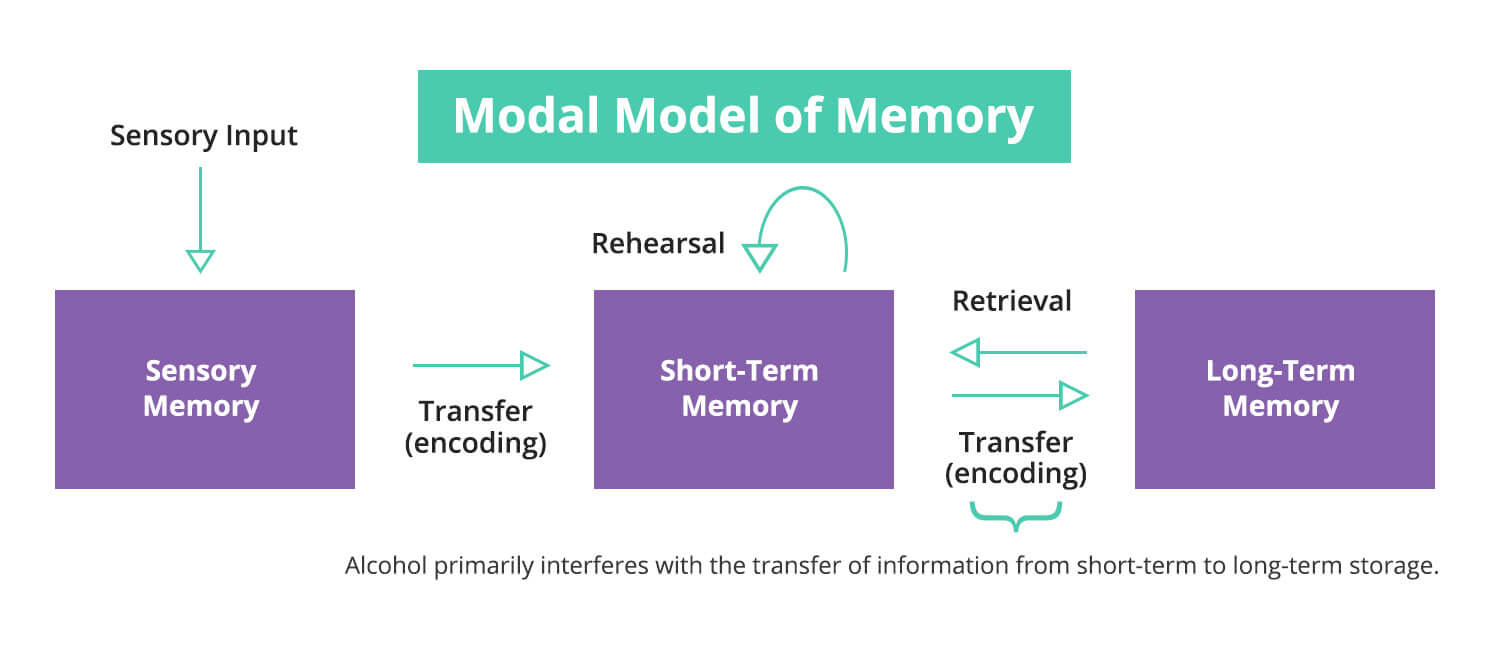
Stage 1: Encoding. This is when a person takes information in.
Stage 2: Consolidation. This is when the brain takes the information it encodes and processes it so that it gets stored in certain areas of the brain.
Stage 3: Retrieval. When a person recalls stored information in the brain.[1]
In its simplest form, memory refers to the continued process of information retention over time. It is an integral part of human cognition, since it allows individuals to recall and draw upon past events to frame their understanding of and behavior within the present. Memory also gives individuals a framework through which to make sense of the present and future. As such, memory plays a crucial role in teaching and learning.
There are three main processes that characterize how memory works.
These processes are encoding, storage, and retrieval (or recall).[2]
Memory disorders are disorders of cognition, the ability to reason, remember, make decisions and communicate. Our team has in-depth experience treating a wide variety of memory disorders, including dementia, Alzheimer’s disease, mild cognitive impairment, vascular cognitive impairment and hydrocephalus. eResearch by Navid Ajamin -- winter 2020
Memory disorders can be caused by one or more factors, including:[3]
aging
trauma
substance abuse
heredity (inheriting genes associated with Alzheimer’s or Huntington’s disease)
narrowing of the arteries that provide blood flow to the brain
cardiovascular disease
untreated infectious or metabolic disease
brain tumors
vitamin deficiencies.
Some types of memory disorders can appear suddenly, while others may be present years before symptoms become apparent. A skilled neurologist can help determine whether the progression of a memory disorder can be slowed or even reversed entirely.
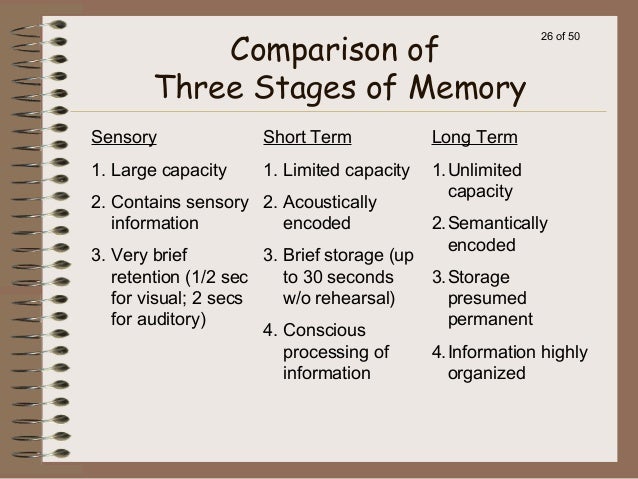
People have several different kinds of memory, including sensory, short-term, working and long-term.
Here's how they differ from each other, as well as how they're affected by Alzheimer's disease.
Sensory Memory
Sensory memory is a very brief (about three seconds) recall of a sensory experience, such as what we just saw or heard. Some compare sensory memory to a quick snapshot of what you just experienced that quickly disappears.
Short-TermMemory
Short-term memory is that brief period of time where you can recall information you were just exposed to. Short-term often encompasses anywhere from 30 seconds to a few days, depending on who is using the term.
Working Memory
Some researchers use the term working memory and distinguish it from short-term memory, though the two overlap.1 Working memory can be defined as the ability of our brains to keep a limited amount of information available long enough to use it. Working memory helps process thoughts and plans, as well as carries out ideas.
You can think of working memory as your short-term memory combining strategies and knowledge from your long-term memory bank to assist in making a decision or calculation.
Working memory has been connected to executive functioning, which is often affected in the earlier stages of Alzheimer's disease.
Long-TermMemory
Long-term memory encompasses memories that range from a few days to decades. In order for successful learning to take place, information has to move from the sensory or the short-term memory to the long-term memory.[4]
Stress, Anxiety, and Depression
Significant amounts of stress, anxiety, and severe depression can lead to short-term memory loss. Adding insult to injury, many people with these symptoms do not sleep well, adding sleep deprivation as a cause of short-term memory loss. While a mood disorder may be to blame, you may benefit from simply managing your stress and anxiety through therapy and other methods. Medications should be the last resort if you are having memory problems, as these can also cause short-term memory loss and may not remedy the root problem.[5]
Possible causes of reversible memory loss include: [6]
Medications. Certain medications or a combination of medications can cause forgetfulness or confusion.
Minor head trauma or injury. A head injury from a fall or accident — even if you don't lose consciousness — can cause memory problems.
Emotional disorders. Stress, anxiety or depression can cause forgetfulness, confusion, difficulty concentrating and other problems that disrupt daily activities.
Alcoholism. Chronic alcoholism can seriously impair mental abilities. Alcohol can also cause memory loss by interacting with medications.
Vitamin B-12 deficiency. Vitamin B-12 helps maintain healthy nerve cells and red blood cells. A vitamin B-12 deficiency — common in older adults — can cause memory problems.
Hypothyroidism. An underactive thyroid gland (hypothyroidism) can result in forgetfulness and other thinking problems.
Brain diseases. A tumor or infection in the brain can cause memory problems or other dementia-like symptoms.
Sleep Apnea. Untreated sleep apnea can cause memory problems that improve with appropriate treatment.
7 tipsto improve your memory[7]
1. Be physically active every day
Physical activity raises blood flow to the whole body, including the brain. This might help keep your memory sharp.
For most healthy adults, the Department of Health and Human Services recommends at least 150 minutes a week of moderate aerobic activity, such as brisk walking, or 75 minutes a week of vigorous aerobic activity, such as jogging. It's best if this activity is spread throughout the week. If you don't have time for a full workout, try a few 10-minute walks throughout the day.
2. Stay mentally active
Just as physical activity keeps your body in shape, activities that engage your mind help keep your brain in shape. And those activities might help prevent some memory loss. Do crossword puzzles. Read. Play games. Learn to play a musical instrument. Try a new hobby. Volunteer at a local school or with a community group.
3. Spend time with others
Social interaction helps ward off depression and stress. Both of those can contribute to memory loss. Look for opportunities to get together with loved ones, friends and other people, especially if you live alone.
4. Stay organized
You're more likely to forget things if your home is cluttered or your notes are in disarray. Keep track of tasks, appointments and other events in a notebook, calendar or electronic planner. You might even repeat each entry out loud as you write it down to help keep it in your memory. Keep to-do lists up to date. Check off items you've finished. Keep your wallet, keys, glasses and other essential items in a set place in your home so they are easy to find.
Limit distractions. Don't do too many things at once. If you focus on the information that you're trying to remember, you're more likely to recall it later. It also might help to connect what you're trying to remember to a favorite song or a familiar saying or idea.
5. Sleep well
Not getting enough sleep has been linked to memory loss. So has restless sleep and sleep that gets disturbed often. Make getting enough healthy sleep a priority. Adults should sleep 7 to 9 hours a night on a regular basis. If snoring disrupts sleep, make an appointment to see your health care provider. Snoring could be a sign of a sleep disorder, such as sleep apnea.
6. Eat a healthy diet
A healthy diet is good for your brain. Eat fruits, vegetables and whole grains. Choose low-fat protein sources, such as fish, beans and skinless poultry. What you drink also counts. Too much alcohol can lead to confusion and memory loss.
7. Manage chronic health problems
Follow your health care provider's advice for dealing with medical conditions, such as high blood pressure, diabetes, depression, hearing loss and obesity. The better you take care of yourself, the better your memory is likely to be. Regularly review the medicines you take with your health care provider. Some medicines can affect memory.
افکار نگران کننده و نشخوارهای فکری به شدت در زندگی روزانه ما تداخل دارد. بدین معنا که در فکری گیر می کنیم و سپس مکرراً با ترس هایی مشابه مواجه می گردیم تا هنگامی که فریاد می زنیم: "بس است!!!" روانشناسان فرانسوی این موضوع را «بیماری شک» یا همان «اختلال وسواس فکری و نگرانی های عملی» می نامند. این همان وسواس یا نگرانی فکریست، گرفتاری در شک و حلقه بی پایانی از افکار نگران کننده! می توان گفت که همه ما انسان ها تا حدودی درگیر مبارزه با نشخوارهای فکری و افکار نگران کننده خود هستیم.
What is an obsession of the mind?
Obsessions are unwelcome thoughts, images, urges, worries or doubts that repeatedly appear in your mind. They can make you feel very anxious (although some people describe it as 'mental discomfort' rather than anxiety). You can read more about obsessions here.
Imaging, surgical, and lesion studies suggest that the prefrontal cortex (orbitofrontal and anterior cingulate cortexes), basal ganglia, and thalamus are involved in the pathogenesis of obsessive-compulsive disorder (OCD)
While all types of obsessive-compulsive disorder (OCD) include a pattern of obsessions and compulsions, the obsessions or intrusive thoughts themselves can take on different themes. OCD manifests in four main ways: contamination/washing, doubt/checking, ordering/arranging, and unacceptable/taboo thoughts.
Anxious obsessions can occur in all anxiety states and all anxiety disorders. It is only when it is connected with strong "rituals" or "compulsions" that are attempts to "appease" or "neutralise" the obsession, that it becomes obsessive-compulsive disorder (OCD).
اضطراب در دنیای مدرن امروزه به افسردگی هایی تبدیل شده که شاید به طور آشکار در ما بروز نکند ولی به شدت در روحیه ما تاثیر گذار است. در این مقاله نویسنده تلاش می کند تجربیات و ابزاری که در طول زمان برای مقابله با نگرانی بدست آورده، به ما ارائه دهد و امیدوارست که کارآیی لازم را برایمان داشته باشد.
یک- شناسایی افکار مزاحم نخستین گام برای مقابله با نگرانی، شناسایی افکار نگران کننده، نشخوارهای فکری، ترس ها و شک هاست. آن را در چند کلمه یا یک جمله خلاصه کنید و حتی در صورت امکان، نامی روی آن بگذارید. برای نمونه شما می خواهید به روانپزشک مراجعه کنید و اگر دوستان و آشنایانتان یا همکارانتان این موضوع را بفهمند چه فکر می کنند؟ این موضوع باعث بروز نگرانی در شما می شود. ممکن است به شما احترام نگذارند، شما را تحقیر کنند یا با شما همکاری نکنند. با مشاهده بهتر موضوع می توانید قدرت این گونه افکار مزاحم را کم کنید.
دو- یافتن تحریف پس از شناسایی ترس و شک تلاش کنید تا از هر گونه تحریف فکری، همانگونه که دکتر «دیوید برنز» در کتاب خود به نام "احساس خوب" توصیف می کند، مانند فکر بدست آوردن همه یا هیچ ، دسته بندی سیاه و سفید، نتیجه گیری عجولانه، بزرگنمایی و یا نادیده شمردن نکات مثبت، جلوگیری کنید. در این کتاب ده روش برای تضعیفِ تحریف افکار وجود دارد که به شما کمک می کند از نشخوارهای فکری نجات یابید.
سه- نوشتن افکار منفی یکی از متدهای روانشناسی برای تسلط بر فکرهای عذاب آور، نوشتن آنهاست. بدین ترتیب فرصتی برای دوباره اندیشی و بازنگری افکار و موضوعات بوجود می آید. مدت پانزده دقیقه به خود فرصت دهید تا از نگرانی خارج شوید. به یاد داشته باشید که عزیزانتان به وجود شما در هر زمانی نیازمندند.
چهار- تمسخر افکار مزاحم طنز، هر وضعیتی را قابل تحمل می کند. باید اعتراف کرد که در هنگام نگرانی، وضعیت مسخره ای نیز در مغز انسان در جریان است. اگر نتوانید به اضطراب و نگرانی خود بخندید، دیوانه خواهید شد.
پنج- دور کردن افکار منفی با یک ضربه ناگهانی به خود برای نمونه می توان با یک مچ بند کشی به مچ دست خود در هنگام حمله افکار مزاحم به آنجا ضربه ای بزنید. در پایان شب خواهی دید که رنگ مچ بند در اثر ضربات شما تغییر کرده است. یکی دیگر از روش ها این است که فکر مزاحم را به روی کاغذ بنویسید و آن کاغذ را مچاله کرده و بدور بیاندازید. بدین ترتیب فکر مزاحم را به معنای واقعی به دور انداخته اید.
شش- بزنید بغل درست مانند هنگام انحراف از مسیر اصلی در هنگام رانندگی، در زمان انحراف افکارتان به کناری برانید. هنگامی که توقف کردید، از خود پرسش نمایید که آیا به این مورد نیازی هست؟ این فکر چه چیزی را می تواند تغییر دهد؟ آیا می توانم بدین ترتیب وضعیت را تغییر دهم؟ برای بدست آوردن آرامش به این افکار نیازی هست؟ سپس برای مدت کوتاهی به پرسش های خود پاسخ و آنگاه به رانندگی ادامه دهید. به طور کلی این همان تجسم دعای آرامش است، بدین معنی که انسان در دعای آرامش نیز بین آنچه می تواند تغییر دهد و آنچه توانایی تغییر آن را ندارد را باید کشف کند.
هفت- درس آموختن بیشتر مردم در مورد اشتباهات خود دچار عقده های روحی می شوند. کاری را خراب می کنند و به صورت مکرر همان اشتباه را انجام می دهند، به ویژه هنگامی که کار به دیگران مربوط است و ضربه ناخواسته به آنها وارد می شود. در هر مسئله ای، درسی نهفته است. به دنبال آموختن درس خود باشید و مانند شماره یک، آن را شناسایی و نامگذاری نمایید. پیش از قضاوت شتابزده در هر موردی، واقعیات را مورد بررسی قرار دهید.
هشت- بخشیدن خود پس از آموختن درستان، خود را ببخشید. این قسمت، به ویژه برای افراد کمال گرا، بسیار مشکل است. به یاد داشته باشید که افراد کمال گرا، به طور طبیعی بیش از حد، دوباره اندیشند. «جولیا کامرون» در کتاب خود به نام «راه هنرمند» می نویسد: "کمال گرایی امتناع از پیشرفت است. حلقه ای از یک سیستم بسته فلج کننده که منجر می شود با وسواس در جزییات بمانید. کمال گرایی به جای خلاقیت آزادانه و اجازه دادن به اشتباهات برای آشکار شدن در نقش بینش صحیح، ما را در باطلاق جزییات به اصطلاح صحیح فرو می برد و اصالت کار را به یکنواختی فاقد شور و خودانگیختی بدل می سازد." بخشیدن خود، به معنی تمرکز به روی بینشِ به دست آمده از اشتباهات و رهایی باقی مسائل است.
نه- تصور بدترین حالت ممکن البته در وحله اول ممکن است این روش اشتباه به نظر برسد ولی تصور بدترین حالت ممکن می تواند ترس بوجود آمده از نگرانی را کاهش دهد.
ده- پشت خط نگهداشتن افکار منفی بسیاری از مواقع ما در وضعیتی هستیم که از آن اطلاعات دقیق و کافی نداریم. برای نمونه؛ در مورد عزیزان خود که هنوز به منزل نرسیده اند، نمی دانیم که وی در شرایط خطرناکی قرار دارد یا خیر؟ در این موارد ما معمولا به افکار منفی اجازه رشد می دهیم و سپس نمی دانیم که چه باید انجام دهیم. بهتر است بدانیم که انتظار نباید باعث رشد افکار منفی باشد.
یازده- به دنبال دلایل بودن بیشتر مواقع هدف از نگرانی مسئله واقعی نیست. هدف یا شخص و یا شرایط موجود پوششی علیه عمیق تر وارد شدن به مسئله برای جلوگیری از ترس است. اگر به مسائل عمیق تر بنگریم، نگرانی های خود را نیز کاهش می دهیم.
دوازده- مهار افکار مزاحم همه ما می دانیم که چگونه نگرانی به طور سریع می تواند مسیر زندگی ما را تغییر دهد و مانع عظیمی برای رشد ما گردد. یک دخالت دوستانه از دوستمان، تبدیل به حالتی زشت می شود و یک انتقاد کوچک از طرف همکارمان، به یک پرونده 150 صفحه ای از ایرادات وی ختم می شود. همه ما معایب خود را بهتر می دانیم و همچنین می دانیم برای چه هددفی از خواب برمی خیزیم. دفن نگرانی ها یکی از بخش های پراهمیت زندگیست و دوباره اندیشی و بازنگری مسائل نیز یکی از اساسی ترین واقعیات ماست. بخش های دیگر که بیشتر به فانتزی و توهمات ما بستگی دارد تنها داستان سرایی ذهن ما می باشد.
سیزده- قطع مکالمه حتی یک عادت بد هم می تواند مفید باشد! آیا شما همیشه گفتگو با دیگران را قطع می کنید؟ آیا می توانید از قطع گفتگو با دیگران جلوگیری کنید؟ کنجکاوی باعث وارد شدن به جزییات داستان های مردم می شود ولی پایان داستان این نیست. همین موضوع هم در مورد نگرانی در مغز ما صدق می کند. تمرین بیشتر به روی رفتار و افکار نامناسب، باعث بروز نگرانی بیشتر در ذهن می شود. اجازه ندهید گلوله برف در ذهنتان تبدیل به یک بهمن مخرب گردد. تفکر مثبت می تواند باعث کاهش نگرانی ها گردد.
چهارده- در زمان حال زیستن نشخوارهای فکری به گذشته و آینده تعلق دارند. بیشتر ما در زمان حال فکر نمی کنیم ولی این پند را جدی بگیرید؛ هنگامی که در زمان حال زندگی می کنید، هیچ اتفاق بدی در زمان آینده رخ نخواهد داد و اشتباهات گذشته شما تبدیل به تجاربتان می گردد. تلاش کنید تا صدای اتومبیل، پرندگان، پارس کردن سگ، زنگ کلیسا و یا هر صدایی که در پیرامون شما به گوشتان می رسد را بخوبی بشنوید. به آنچه در جلوی چشمانتان در حال روی دادن است توجه کنید.
وبلاگ تخصصی سلامت شامل مجموعه مطالب پزشکی است و اطلاعات مفیدی در رابطه با بهداشت، ایمنی، سلامتی بدن و راه های پیشگیری از بیماریها را در اختیار شما کاربر محترم می گزارد.




 وبلاگ تخصصی سلامت شامل مجموعه مطالب پزشکی است و اطلاعات مفیدی در رابطه با بهداشت، ایمنی، سلامتی بدن و راه های پیشگیری از بیماریها را در اختیار شما کاربر محترم می گزارد.
