Why is this medication prescribed?
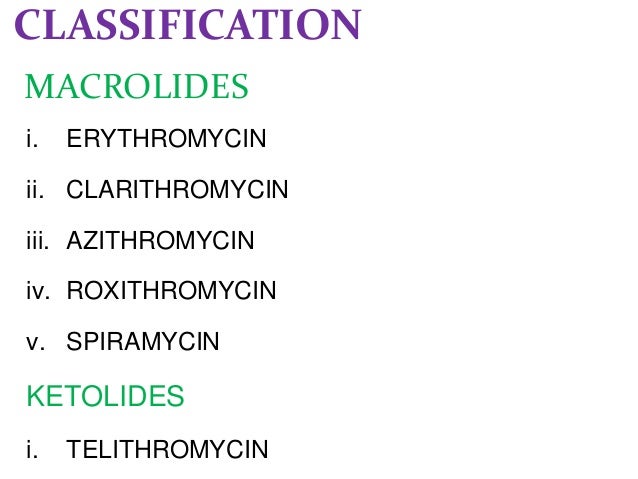
Azithromycin is used to treat certain bacterial infections, such as bronchitis; pneumonia; sexually transmitted diseases (STD); and infections of the ears, lungs, sinuses, skin, throat, and reproductive organs. Azithromycin also is used to treat or prevent disseminated Mycobacterium avium complex (MAC) infection [a type of lung infection that often affects people with human immunodeficiency virus (HIV)]. Azithromycin is in a class of medications called macrolide antibiotics. It works by stopping the growth of bacteria.
Antibiotics such as azithromycin will not work for colds, flu, or other viral infections. Using antibiotics when they are not needed increases your risk of getting an infection later that resists antibiotic treatment.
Other uses for this medicine
Azithromycin is also used sometimes to treat H. pylori infection, travelers' diarrhea, and other gastrointestinal infections; Legionnaires' disease (a type of lung infection); pertussis (whooping cough; a serious infection that can cause severe coughing); Lyme disease (an infection that may develop after a person is bitten by a tick); and babesiosis (an infectious disease carried by ticks). It is also used to prevent heart infection in people having dental or other procedures, and to prevent STD in victims of sexual assault. Talk to your doctor about the possible risks of using this medication for your condition.
This medication may be prescribed for other uses; ask your doctor or pharmacist for more information.
Before taking this medicine

You should not use azithromycin if you are allergic to it, or if:
you have ever had jaundice or liver problems caused by taking azithromycin; or
you are allergic to similar drugs such as clarithromycin, erythromycin, or telithromycin.
To make sure azithromycin is safe for you, tell your doctor if you have ever had:
liver disease;
kidney disease;
myasthenia gravis;
a heart rhythm disorder;
low levels of potassium in your blood; or
long QT syndrome (in you or a family member).
This medicine is not expected to harm an unborn baby. Tell your doctor if you are pregnant or plan to become pregnant.

It is not known whether azithromycin passes into breast milk or if it could harm a nursing baby. Tell your doctor if you are breast-feeding a baby.
Azithromycin is used to treat a wide variety of bacterial infections. It is a macrolide-type antibiotic. It works by stopping the growth of bacteria. This medication will not work for viral infections (such as common cold, flu).

Azithromycin is a macrolide antibiotic which inhibits bacterial protein synthesis, quorum-sensing and reduces the formation of biofilm. Accumulating effectively in cells, particularly phagocytes, it is delivered in high concentrations to sites of infection, as reflected in rapid plasma clearance and extensive tissue distribution. Azithromycin is indicated for respiratory, urogenital, dermal and other bacterial infections, and exerts immunomodulatory effects in chronic inflammatory disorders, including diffuse panbronchiolitis, post-transplant bronchiolitis and rosacea. Modulation of host responses facilitates its long-term therapeutic benefit in cystic fibrosis, non-cystic fibrosis bronchiectasis, exacerbations of chronic obstructive pulmonary disease (COPD) and non-eosinophilic asthma.
Initial, stimulatory effects of azithromycin on immune and epithelial cells, involving interactions with phospholipids and Erk1/2, are followed by later modulation of transcription factors AP-1, NFκB, inflammatory cytokine and mucin release. Delayed inhibitory effects on cell function and high lysosomal accumulation accompany disruption of protein and intracellular lipid transport, regulation of surface receptor expression, of macrophage phenotype and autophagy. These later changes underlie many immunomodulatory effects of azithromycin, contributing to resolution of acute infections and reduction of exacerbations in chronic airway diseases. A sub-group of post-transplant bronchiolitis patients appears to be sensitive to azithromycin, as may be patients with severe sepsis. Other promising indications include chronic prostatitis and periodontitis, but weak activity in malaria is unlikely to prove crucial. Long-term administration of azithromycin must be balanced against the potential for increased bacterial resistance. Azithromycin has a very good record of safety, but recent reports indicate rare cases of cardiac torsades des pointes in patients at risk.

Reference:
- drugs.com/azithromycin.html
- webmd.com/drugs/2/drug-1527-3223/azithromycin-oral/azithromycin-250-500-mg-oral/details
- sciencedirect.com/science/article/abs/pii/S0163725814000552
- medlineplus.gov/druginfo/meds/a697037.html
See also:
- Azithromycin: Uses, dosage, side effects, and warnings
- داروی آزیترومایسین چیست؟ کاربرد و عوارض مصرف آزیترومایسین
- اثر درمانی مثبت آزیترومایسین روی بیماران کرونا
- بریلاسیدین Brilacidin
- رمدسیور Remdesivir
- فاویپیراویر Favipiravir
 وبلاگ تخصصی سلامت شامل مجموعه مطالب پزشکی است و اطلاعات مفیدی در رابطه با بهداشت، ایمنی، سلامتی بدن و راه های پیشگیری از بیماریها را در اختیار شما کاربر محترم می گزارد.
