Allergies, also known as allergic diseases, are a number of conditions caused by hypersensitivity of the immune system to typically harmless substances in the environment. These diseases include hay fever, food allergies, atopic dermatitis, allergic asthma, and anaphylaxis.
Food intolerances and food poisoning are separate conditions.
Symptoms may include red eyes, an itchy rash, sneezing, a runny nose, shortness of breath, or swelling.
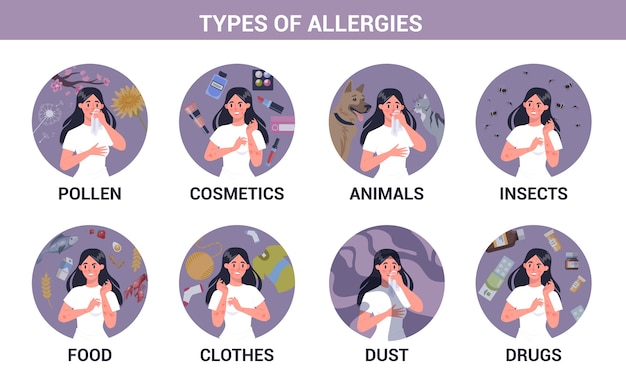
An allergy occurs when your body’s immune system sees a certain substance as harmful. It reacts by causing an allergic reaction. Substances that cause allergic reactions are allergens. There are many types of allergies. Some allergies are seasonal and others are year-round. Some allergies may be life-long.It is important to work with your health care provider to create a plan to manage your allergy. Avoiding your allergens is the best way to prevent an allergic reaction.[3]

What are the 4 types of allergic reactions? [4]
Four different types of allergic reactions are immediate, cytotoxic, immune-complex mediated and delayed hypersensitivity reactions. Allergic reactions occur when the body's immune system has a reaction to a substance it sees as harmful, called an allergen.
[3] Types of Allergies
- Drug Allergy.
- Food Allergy.
- Insect Allergy.
- Latex Allergy.
- Mold Allergy.
- Pet Allergy.
- Pollen Allergy.

Common allergens include pollen and certain food.Metals and other substances may also cause problems.Food, insect stings, and medications are common causes of severe reactions.Their development is due to both genetic and environmental factors.The underlying mechanism involves immunoglobulin E antibodies (IgE), part of the body's immune system, binding to an allergen and then to a receptor on mast cells or basophils where it triggers the release of inflammatory chemicals such as histamine.Diagnosis is typically based on a person's medical history. Further testing of the skin or blood may be useful in certain cases.Positive tests, however, may not mean there is a significant allergy to the substance in question.

Early exposure to potential allergens may be protective.Treatments for allergies include avoiding known allergens and the use of medications such as steroids and antihistamines.In severe reactions injectable adrenaline (epinephrine) is recommended.Allergen immunotherapy, which gradually exposes people to larger and larger amounts of allergen, is useful for some types of allergies such as hay fever and reactions to insect bites.Its use in food allergies is unclear.
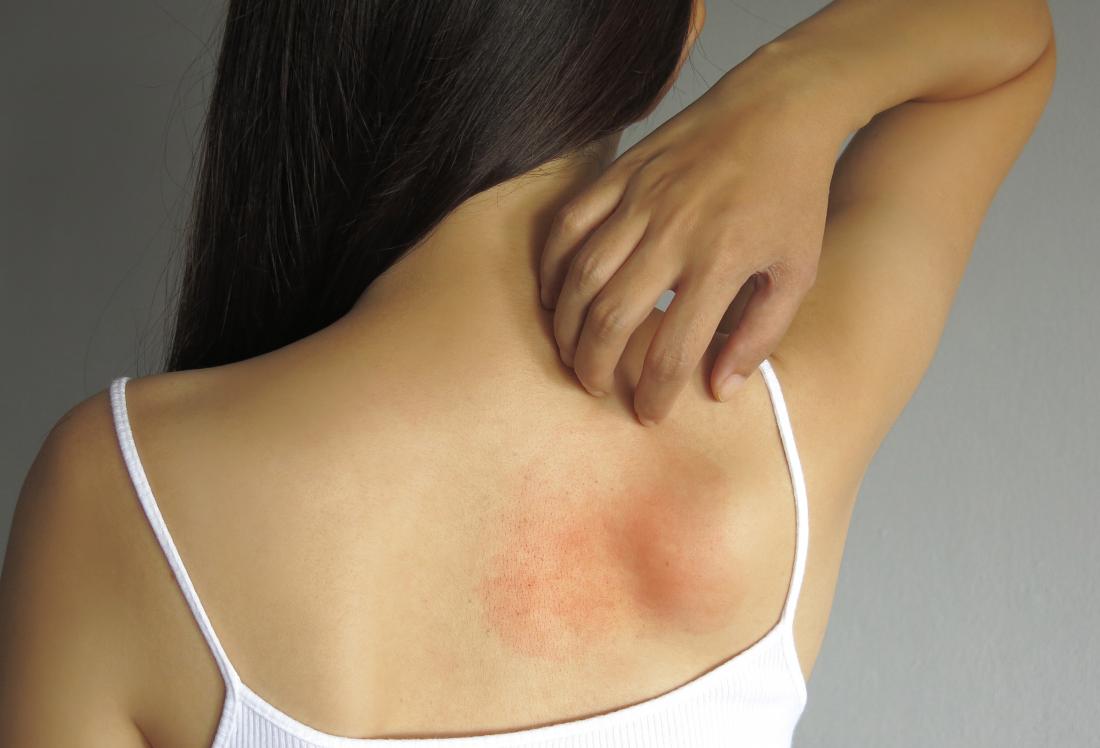
Allergies are common.In the developed world, about 20% of people are affected by allergic rhinitis,about 6% of people have at least one food allergy, and about 20% have atopic dermatitis at some point in time.Depending on the country about 1–18% of people have asthma.Anaphylaxis occurs in between 0.05–2% of people.Rates of many allergic diseases appear to be increasing.The word "allergy" was first used by Clemens von Pirquet in 1906.[1]
Symptoms & Types [2]
Learn the types of allergies including food allergies, seasonal allergies, pet allergies, and many more.
Respiratory Allergies
- Spring Allergies:There's no cure but you can take steps to curb springtime allergies, from medication to household habits.
- Summer Allergies:Summer allergies are usually triggered by pollen from grasses and weeds.
- Fall Allergies:Ragweed, mold and dust mites are the biggest allergy triggers in the fall.
- Winter Allergies:If you have indoor allergies such as mold and dust mites, you may notice symptoms more during winter, when you spend more time inside.

Hay Fever
Hay fever, also known as allergic rhinitis, is an immune disorder characterized by an allergic response to pollen grains and other substances. There are two types: seasonal, which occurs only during the time of year in which certain plants pollinate, and perennial, which occurs year-round.
Pollen Allergies
More than 25 million Americans are allergic to pollen from trees, grass, or weeds.
Mold Allergy
All of us are exposed to some mold every day, and usually, there are no problems. But if you have allergies to it, you can have a reaction if you’re around too much of it
Dust Allergy
For creatures you can't even see, dust mites can stir up a lot of trouble.
Dog Allergy
For a person with dog allergies, life in a dog-loving country isn't easy. Approximately 37%-47% of American households have a dog.
Cat Allergy
About 10% of the U.S. population has pet allergies and cats are among the most common culprits. Cat allergies are twice as common as dog allergies.

Food Allergies
Is It an Allergy or an Intolerance?
Food allergies or food intolerances affect nearly everyone at some point. People often have an unpleasant reaction to something they ate and wonder if they have a food allergy.
Milk Allergy
If you suffer from a milk allergy, strictly avoiding milk and food containing milk and milk products is the only way to prevent a reaction, which can include immediate wheezing, vomiting, and hives.
Casein Allergy
If a glass of milk or slice of pizza causes swollen lips, hives, or other symptoms, you may have an allergy to casein, a protein in milk. Another milk protein associated with allergies is whey. Some people are allergic to both casein and whey.
Egg Allergy
Egg allergies are more common in children than in adults. Reactions range from mild to severe.
Wheat Allergy
It can be a challenge to avoid wheat because it’s in so many things.
Nut Allergy
If you suffer from a nut allergy, strictly avoiding nuts, including peanuts and tree nuts like cashews and walnuts, and food containing nuts is the only way to prevent a reaction.
Fish Allergy
If you’re allergic to one kind of fish, your doctor may have told you to avoid others. Here’s what to look out for.
Shellfish Allergy
If you re allergic to one type of shellfish, you may have problems with others. Take these steps to make sure you don’t have an allergic reaction.
Sulfite Sensitivity
Sulfites are a group of sulfur-based compounds that may occur naturally or may be added to food as an enhancer and preservative. The FDA estimates that one out of 100 people is sensitive to the compounds.
Soy Allergy
If all you needed to do for a soy allergy was skip the soy sauce and tofu, life would be a breeze! But soybeans are a big part of processed foods, too.

Skin Allergies
A skin allergy is when skin becomes irritated because the immune system reacted to something that is usually harmless. This is called an allergic reaction.
An allergic reaction can cause rash, itching, burning, redness, bumps, hives, and swelling. Many different allergens can cause a reaction.
The face, eyelids, neck, hands, and feet are commonly affected areas. While poison ivy, poison oak, and poison sumac are the most common causes of allergic contact dermatitis, nickel in jewelry, cosmetics, antibiotic creams, rubber, and chemicals on shoes can also lead to this skin allergy.

What does skin allergy look like?
If you have red, bumpy, scaly, itchy or swollen skin, you may have a skin allergy. Urticaria (hives) are red, itchy, raised areas of the skin that can range in size and appear anywhere on your body. Angioedema is a swelling of the deeper layers of the skin that often occurs with hives.
Contact Dermatitis
Something touches your skin, and your immune system thinks it's under attack. It overreacts and sends antibodies to help fight the invader, called an allergen. The result is a red, itchy rash where the substance landed.
Hives (Urticaria) and Angioedema
Hives, also known as urticaria, are an outbreak of swollen, pale red bumps, patches, or welts on the skin that appear suddenly -- as a result of allergies, or for other reasons. In angioedema, the swelling happens under the skin, not on the surface.
Allergies to Poison Ivy, Oak, and Sumac
Poison ivy, poison oak, and poison sumac are plants that contain an irritating, oily sap called urushiol. Urushiol triggers an allergic reaction when it comes into contact with skin, resulting in an itchy rash, which can appear within hours of exposure or up to several days later.
Allergies to Insect Stings
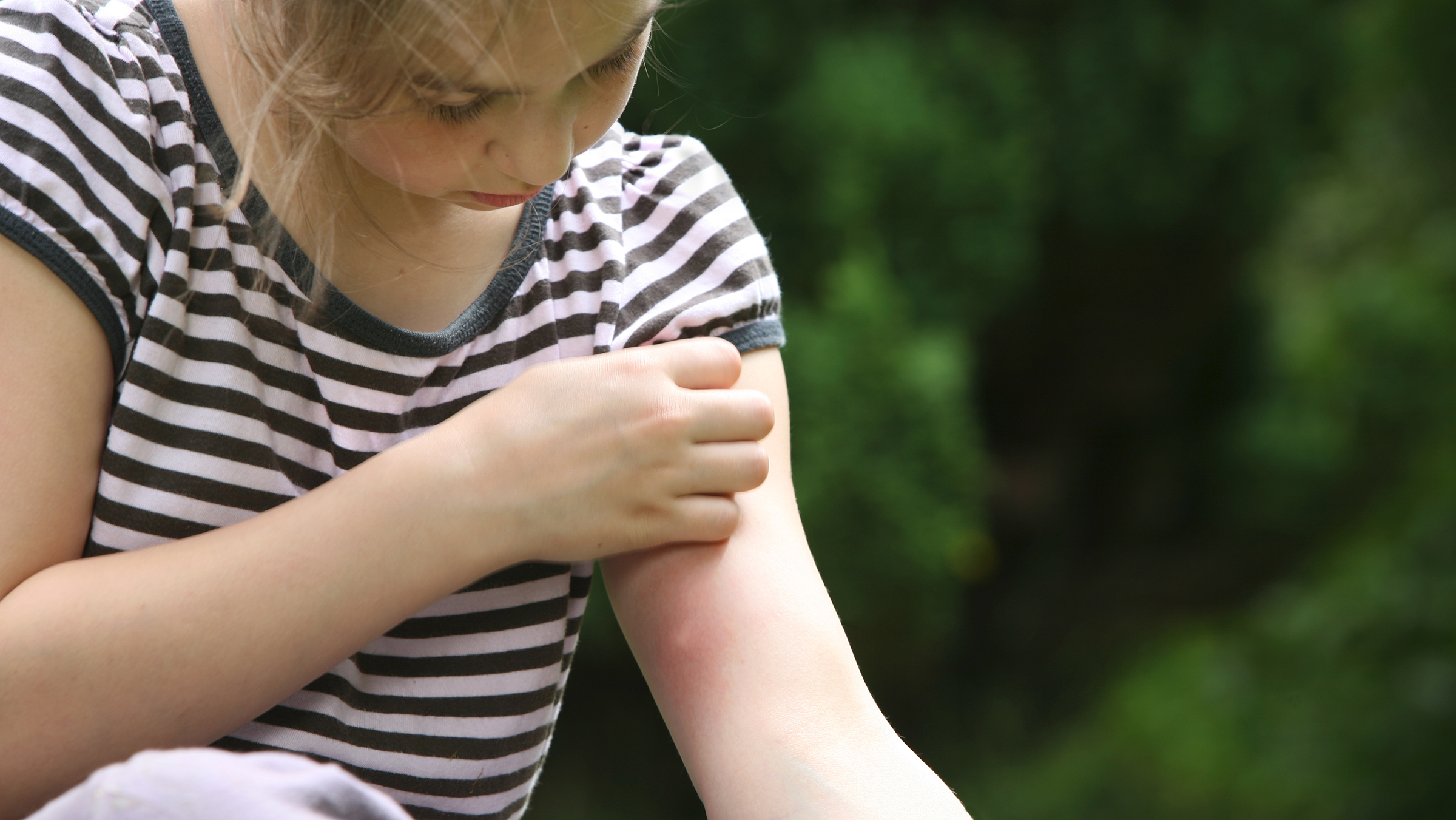
Bee, wasp, yellow jacket, hornet, or fire ant stings are the insect stings that most often trigger allergies. Most people are not allergic to insect stings and may mistake a normal sting reaction for an allergic reaction.

Can You Be Allergic to the Sun?
Most people's skin will burn if there is enough exposure to ultraviolet radiation. However, some people burn particularly easily or develop exaggerated skin reactions to sunlight.
Cosmetic Allergies
Some beauty products can cause skin irritation or allergic reactions. Certain ingredients used in cosmetics, such as fragrances and preservatives, can act as allergens, substances that trigger an allergic reaction.
Nickel Allergy
A nickel allergy is a skin reaction that develops after exposure to nickel or items containing the metal.

Other Allergies
Eye Allergies
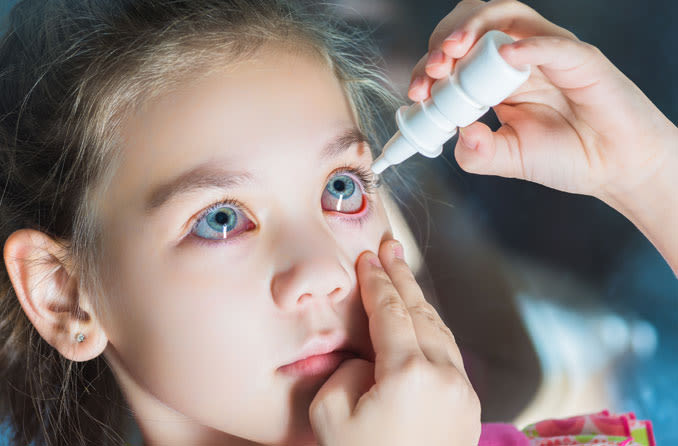
Millions of Americans have allergies. Most of those millions have symptoms involving their eyes.
Allergic Conjunctivitis (Pink Eye)
Conjunctivitis is one of the most common and treatable eye conditions in children and adults.
An allergic reaction occurs when a person’s immune system reacts to an allergen (irritant) in the environment, either indoors or outdoors. An allergen is any substance that causes allergy symptoms in sensitive individuals.
When confronted by an allergen, the immune system perceives it as an invader and goes into overdrive to produce histamines to fight it. This is known as an allergic reaction.

Histamine is a signaling chemical your immune system releases to send messages between different cells. Histamine has several functions, but it's mainly known for its role in causing allergic and anaphylactic symptoms. Allergies are your body's reaction to a foreign protein.
Your body mainly stores histamine in mast cells in tissues and basophils in blood. Mast cells are a type of white blood cell that’s present in connective tissues throughout your body, especially:
- Under your skin.
- Near blood vessels and lymph vessels.
- In nerves.
- In your lungs and intestines.
Basophils are another type of white blood cell. [6]
There are two basic categories of allergic reactions:
- Seasonal allergies. These are due to allergens found in nature — such as mold spores and pollens from trees, grass and weeds. People with seasonal allergies usually notice that their symptoms worsen when they go outside on days when pollen counts are high.
- Year-round allergies. These are due allergens that are typically found indoors, like dust mites, pet dander, mold and mildew. Symptoms for people with year-round allergies usually become more noticeable when they do things that set the allergens in motion, like brushing a pet or cleaning house.
Drug Allergies
Many medications can cause side effects, and certain ones can trigger allergies.
Aspirin (Salicylate) Allergy
If you're allergic to chemicals called salicylates, you may need to avoid certain foods, medicines, and other products.
Penicillin Allergy
Since the 1940s, penicillin has been a go-to drug to clear up infections caused by bacteria. But some people get a bad reaction from taking it.
Which hormone is responsible for allergy?
Have you heard of histamine? It's a natural hormone produced by mast cells, basophils, and other immune cells in several tissues in our bodies. And while many people think of it as the allergy-inducing chemical, histamine actually has important functions related to digestion, mental function, and female reproduction.
Can hormonal changes cause allergies?
Hormones being within the body can induce allergies that result in chronic ailments, although the expression of symptoms can vary with the day of the menstrual cycle in females depending on the hormone load.
Estrogen causes an increase in histamine production, while progesterone promotes something called myelination, which is one of the ways the body breaks down histamine. Therefore, in cases of unopposed estrogen, the body will actually produce more histamine than normal and cause more severe allergic reactions.
Reference:
- en.wikipedia.org
- webmd.com
- aafa.org/types-of-allergies
- emedicinehealth.com/what_are_the_4_types_of_allergic_reactions/article_em.htm
- allaboutvision.com/en-gb/conditions/allergy-eye-drop
- my.clevelandclinic.org/health/articles/24854-histamine
- l-92.net/report/allergies
See also:
 وبلاگ تخصصی سلامت شامل مجموعه مطالب پزشکی است و اطلاعات مفیدی در رابطه با بهداشت، ایمنی، سلامتی بدن و راه های پیشگیری از بیماریها را در اختیار شما کاربر محترم می گزارد.
