The top part of the foot is called the dorsum - or dorsal region and the underside is called the sole, or the plantar region.
The foot sole refers to the undersurface of the foot that contains cutaneous tactile receptors, providing sensory feedback about terrain characteristics which is essential for maintaining postural control and stability during standing and walking.

The sole—or plantar surface—is the part of the foot that directly connects with the ground, absorbing impact and supporting body weight. Understanding its anatomy helps us appreciate why the right footwear plays such a key role in maintaining foot health and preventing discomfort.
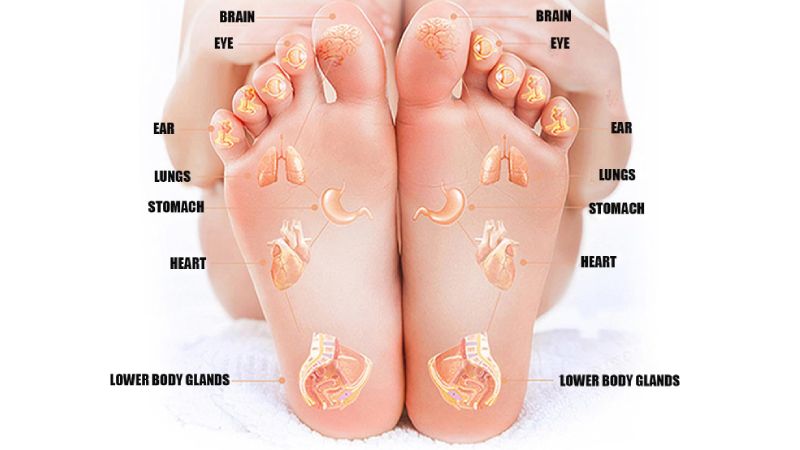
"sole of foot": Synonyms: Plantar region of foot, Regio plantaris pedis , show more... The sole of foot refers to the inferior or bottom surface of the foot, which contacts the floor when standing barefoot. It is also called the plantar region of foot, and is opposite to the dorsum of foot, which refers to the superior surface.
- > Planta pedis – the bottom of the foot; called also sole.
- > Plantalgia – pain in the sole of the foot.
- > Plantar reflex – plantar flexion of the foot when the ankle is grasped firmly and the lateral border of the sole is stroked or scratched from the heel toward the toes.
The glabrous skin on the sole of the foot lacks the hair and pigmentation found elsewhere on the body, and it has a high concentration of sweat pores. The sole contains the thickest layers of skin on the body due to the weight that is continually placed on it. It is crossed by a set of creases that form during the early stages of embryonic development. Like those of the palm, the sweat pores of the sole lack sebaceous glands.

The sole is a sensory organ by which the ground can be perceived while standing and walking. The subcutaneous tissue in the sole has adapted to deal with the high local compressive forces on the heel and the ball (between the toes and the arch) by developing a system of "pressure chambers." Each chamber is composed of internal fibrofatty tissue covered by external collagen connective tissue. The septa (internal walls) of these chambers are permeated by numerous blood vessels, making the sole one of the most vascularized, or blood-enriched, regions in the human body.

Why do my arches hurt after walking a lot?
Pain in the arch of the foot is common and often linked to conditions like plantar fasciitis, flat feet, high arches, or tendon problems. Morning pain or pain after rest is a key sign of plantar fasciitis and arch strain.
How can I relieve foot arch pain?
Plantar fascia stretch
- Sit in a chair and put your affected foot on your other knee.
- Hold the heel of your foot in one hand, and grasp your toes with the other hand.
- Steady your heel with one hand, and at the same time pull your toes back with your other hand. ...
- Hold for 15 to 30 seconds.
- Repeat 2 to 4 times.
Pain in the bottom of your foot (arch, ball or sole) often gets better in a few weeks. But sometimes it can also be something more serious, like a broken foot.
Common causes of pain in the bottom of the foot
Pain in the bottom of your foot is often caused by exercise such as running, wearing shoes that are too tight.
It can also be caused by a lack of vitamin D or calcium, especially in children. Some people also have a foot shape that puts extra pressure on the bottom of the foot.
 وبلاگ تخصصی سلامت شامل مجموعه مطالب پزشکی است و اطلاعات مفیدی در رابطه با بهداشت، ایمنی، سلامتی بدن و راه های پیشگیری از بیماریها را در اختیار شما کاربر محترم می گزارد.
