A dietary supplement containing all or most of the vitamins that may not be readily available in the diet. Vitamins may be classified according to their solubility either in lipids (vitamins A, D, E, K, F) or in water (vitamins C, B-complex). Present in minute amounts in various foods, vitamins are essential to maintaining normal metabolism and biochemical functions.[1]
Multivitamins are dietary supplements that have a number of vitamins and minerals packed into one pill. There might be other ingredients inside that claim to have certain health benefits. These supplements contain nutrients that are essential for our bodies to work properly, even though the best way to get them is through food. Multivitamins are meant to supplement your diet, not to replace healthy eating.
What Are the Different Types of Multivitamins?
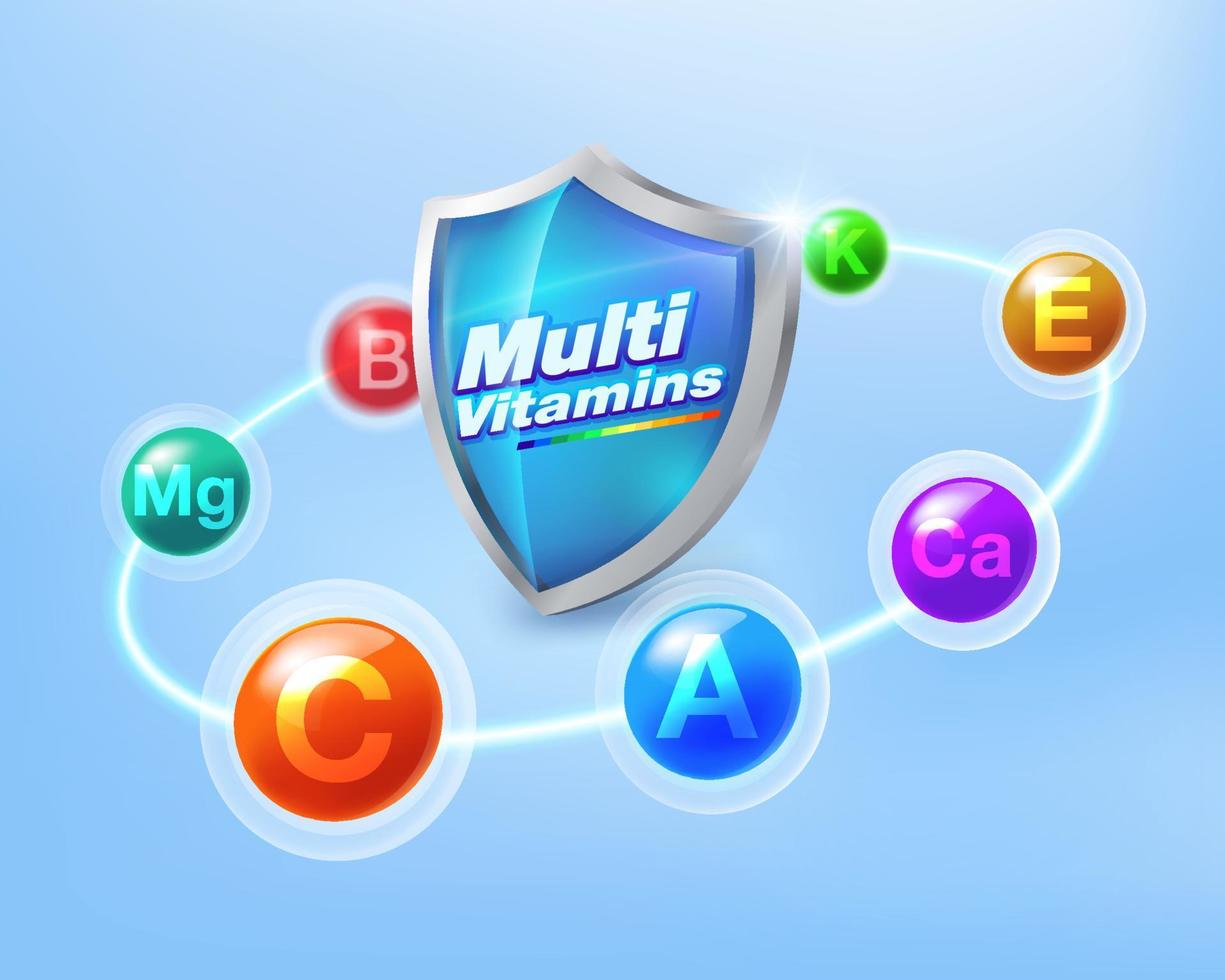
Generic name: multivitamins [3]
Brand names: Berocca, Primaplex, Becomject-100, M.V.I.-12, Nephplex Rx, ... show all 330 brands
Dosage forms: oral capsule (Lipotropic with Multivitamins; Multiple Vitamins; Therapeutic Multiple Vitamins; Vitamin A and D; Vitamin A, D, E and K; Vitamin B Complex; Vitamin B Complex with Benfotiamine, Choline and Folate; Vitamin B Complex with C; Vitamin B Complex with C and Folic Acid; Vitamin B Complex with Folate 3400 mcg DFE; Vitamin C and E)
There are many types of multivitamins out there, so knowing how to choose the right one might not be as easy as you think. It’s important to note that multivitamins aren’t standardized, so the ingredients differ by brand or type. The companies that make dietary supplements get to choose which and how many vitamins and minerals they put in their multivitamins.
As you walk down the aisle of the supermarket, you’ll notice that there are supplements aimed at different groups of people and for different purposes. The most common product that comes to mind when you think about multivitamins is a once-daily pill or gummy that contains a day’s worth of nutrients. Because the amount of nutrients you need depends on several different factors, you’ll see that these products are often marketed to different age groups or specifically to men or women.
Common types of multivitamins include:
- Multivitamins for women or men specifically
- Supplements for seniors
- Multivitamins for children
- Multivitamins for pregnant women
- Supplements for people with specific health conditions
What Are the Health Benefits of Multivitamins?
Not everyone may need to take a multivitamin to get the nutrients that they need. But some people may experience the health benefits of multivitamins if something is preventing them from getting the right amount of vitamins and minerals from the food that they eat. You may need a daily multivitamin if you are:
- Vegetarian or vegan
- Lactose intolerant
- Pregnant or trying to get pregnant
- Eating unbalanced meals
- Not eating nutrient-dense foods
- Not getting enough sleep
- Diagnosed with certain medical conditions
- Breastfeeding
- Using alcohol or tobacco regularly
The best sources of the daily vitamins and minerals that your body needs are whole foods, like proteins, whole grains, and fresh produce. But people experiencing vitamin deficiencies for any reason can benefit from the compounds found in daily multivitamins.
How Do I Choose the Right Multivitamin?
Adults who eat a healthy, well-balanced diet probably don’t need to take a multivitamin, but if you think it might help to fill in any missing vitamins and nutrients, here are some things to look for the next time you walk down the supplement aisle.
Daily Value (DV). The first thing that you should look at when you read a multivitamin label is the DV. Looking at the label, check to make sure that the multivitamin has close to 100% of the DV of the ingredients inside. When it comes to some nutrients, like calcium, magnesium, and potassium, it’s not possible to put high amounts of them into one daily tablet. Going over 100% of the DV can actually be harmful, as some of these substances then build up in your body over time and could potentially become toxic.
USP seal. The next thing you want to look for is the USP seal of approval. This means that the multivitamin has the Recommended Daily Allowance of amounts of nutrients, as laid out by the United States Pharmacopeia. The seal assures that the listed ingredients and the indicated amounts are accurate and safe. These supplements are tested and don’t contain harmful heavy metals or pesticides.
Your age and gender. Some multivitamins aren’t specific in terms of who they're marketed for. However, multivitamins that are gender or age-specific have different compositions. If you’re going to start taking a supplement, pick one that’s aimed at your gender and age group so that you're getting the right mix of vitamins and minerals.
The right nutrients. Experts agree that the average American adult often doesn’t get enough of the same five nutrients from their diet. These are:
- Calcium
- Magnesium
- Vitamin D
- Potassium
- Fiber
Look for a multivitamin that has most of these, as fiber can only be found in food. Even if you take a daily multivitamin, it’s important to work foods with these nutrients into your diet to make sure that you’re getting adequate amounts.
Reference:
- cancer.gov/publications/dictionaries/cancer-drug/def/multivitamin
- webmd.com/diet/how-to-choose-a-multivitamin
- drugs.com/mtm/multivitamins.html
See also:
- Do Kids Need Vitamin Supplements?
- Which multivitamin is best for kids?
- Are kids multivitamins FDA approved?
 وبلاگ تخصصی سلامت شامل مجموعه مطالب پزشکی است و اطلاعات مفیدی در رابطه با بهداشت، ایمنی، سلامتی بدن و راه های پیشگیری از بیماریها را در اختیار شما کاربر محترم می گزارد.
