Circulation problems signal that your blood isn’t flowing properly through your veins. The problem may be due to damage to the valves that control the blood flow within your veins. It may even be due to a plaque buildup that has caused a narrowing or partial blockage. These conditions reduce the amount of blood that flows in your veins.
While the sensation signals poor circulation, it may be a sign of a more serious medical condition, or it may be temporary, as from a sleeping position. Other symptoms associated with a lack of blood flow include:
- - Cold hands and feet even when it’s warm
- - Muscle pain and cramping when you exercise
- - Abdominal cramps, stomach pain, constipation or diarrhea
- - Brittle toenails caused by poor circulation in your feet
- - Hair loss on your feet or legs
- - Legs and feet that feel heavy
- - Pelvic pain or discomfort
- - Restless legs and feet
- - Numbness in your extremities
- - Swelling in your legs
- - Dizziness
- - Shortness of breath
- - Dry, itchy or blotchy skin
- - Change in skin tone or color
- - Headaches
- - Trouble remembering things
- - Erectile dysfunction
- - Lack of energy or concentration
Poor circulation is a serious condition and needs immediate medical attention. If you have any concerns with poor circulation in your feet contact one of our podiatrists of Instride Queen City Foot & Ankle Specialists. Our doctors will treat your foot and ankle needs.
Poor Circulation in the Feet

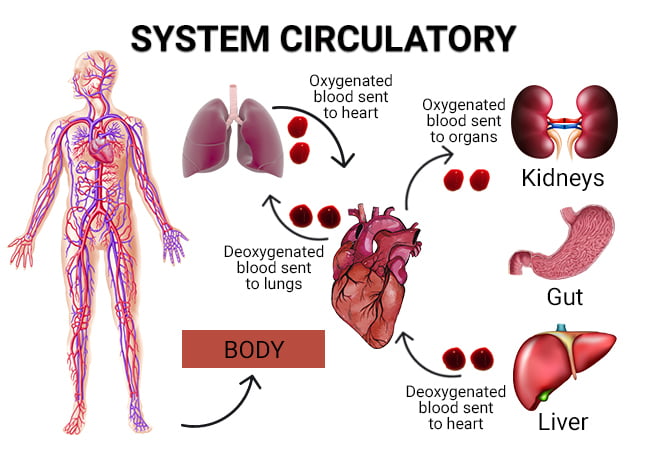
Poor blood circulation in the feet and legs is can be caused by peripheral artery disease (PAD), which is the result of a buildup of plaque in the arteries.
Plaque buildup or atherosclerosis results from excess calcium and cholesterol in the bloodstream. This can restrict the amount of blood which can flow through the arteries. Poor blood circulation in the feet and legs are sometimes caused by inflammation in the blood vessels, known as vasculitis.
Causes
Lack of oxygen and oxygen from poor blood circulation restricts muscle growth and development. It can also cause:
- Muscle pain, stiffness, or weakness
- Numbness or cramping in the legs
- Skin discoloration
- Slower nail & hair growth
Those who have diabetes or smoke are at greatest risk for poor circulation, as are those who are over 50. If you have poor circulation in the feet and legs it may be caused by PAD and is important to make changes to your lifestyle in order to reduce risk of getting a heart attack or stroke. Exercise and maintaining a healthy lifestyle will dramatically improve conditions.
Poor circulation in the hands may have different causes, including atherosclerosis and anemia. Poor blood flow in the hands can result in cold, numb, and painful fingers. Depending on the cause, other symptoms might also occur. eResearch by Navid Ajamin -- autumn 2023
Signs and symptoms of poor circulation in the hands include:
- Color: The fingernails appear pale or have a blue tint.
- Temperature: The fingers and hands feel cold to the touch.
- Swelling: The hands may swell and be painful.
- Numbness or tingling: The fingers might feel numb or have a tingling sensation.
- Blood refilling: Blood vessels may take longer to fill with blood. For example, after squeezing a finger, it may take longer than 3 seconds to refill with blood.
- Mobility: A person may have some difficulty moving the fingers.
- Pain: Severe pain in the hands and fingers may signal poor blood flow.
Other medical conditions linked to poor circulation include:
- Alopecia or hair loss, which may signal a lack of circulation to your scalp
- Arrhythmia, which is a heart condition
- Venous insufficiency
- Deep vein thrombosis
- A venous stasis ulcer
- Varicose veins or spider veins
- Raynaud’s disease
How to improve circulation at home
The best way to improve foot circulation is to treat any underlying conditions that may be causing it. If doctors cannot pinpoint a cause, however, several self-care strategies may help.
People can try:
- Any amount of walking is the number one recommendation for improving circulation: You can start small, taking short walks, even as little as five minutes daily. Studies indicate that even small increases in the amount of time you walk daily can have benefits.
- Move more: A 2020 study found that simple leg stretches can help improve vascular function after 12 weeks. The stretching regime made arteries less stiff, helping them dilate. If sitting for a long time, set reminders to get up and move around.
- Massage: Massaging the feet can stimulate circulation. People with Raynaud’s may also find it helps prevent or shorten attacks.
- Relaxation techniques: Breathing exercises, meditation, yoga, and tai chi can help manage unavoidable stress.
- Avoid caffeine, nicotine, and alcohol: Caffeine and alcohol can constrict blood vessels and exacerbate Raynaud’s.
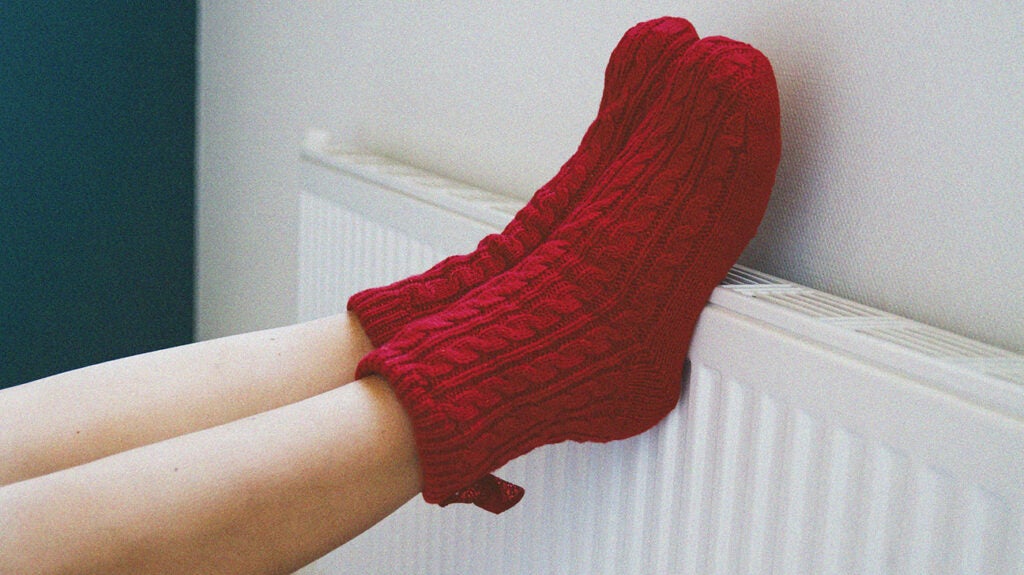
- Wear compression socks: Compression socks apply pressure to the legs and feet, forcing blood to travel back toward the heart.
- Stay warm: If circulation problems worsen in cold conditions, keep the home at a comfortable temperature and wrap up in layers. Use hand or foot warmers when necessary.
Reference:
- astraveinvascular.com/circulation-problems
- henryford.com/blog/2020/10/how-to-boost-circulation
- queencityfootandankle.com/blog/symptoms-of-poor-circulation
- medicalnewstoday.com/articles/poor-circulation-in-hands#causes
- modernheartandvascular.com/improving-circulation-in-the-legs-naturally
 وبلاگ تخصصی سلامت شامل مجموعه مطالب پزشکی است و اطلاعات مفیدی در رابطه با بهداشت، ایمنی، سلامتی بدن و راه های پیشگیری از بیماریها را در اختیار شما کاربر محترم می گزارد.
