Your body’s like a little furnace. It puts out heat all the time. It comes from your body doing the work that keeps you alive. When it puts out a lot more or a lot less heat than usual, it’s trying to tell you there’s a problem.
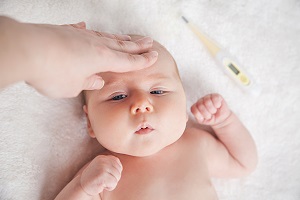
Normal body temperature varies by person, age, activity, and time of day.
The average normal body temperature is generally accepted as 98.6°F (37°C).
Some studies have shown that the "normal" body temperature can have a wide range, from 97°F (36.1°C) to 99°F (37.2°C).
A temperature over 100.4°F (38°C) most often means you have a fever caused by an infection or illness.
Body temperature normally changes throughout the day.
- درجه ی حرارت بدن می تواند بین ۳۶٫۴ تا ۳۷٫۶ درجه ی سانتیگراد باشد. این درجه در طول روز نوسان دارد و ثابت نمی ماند.
- دمای بدن در ابتدای صبح در پایین ترین میزان خود قرار دارد و معمولا در اواخر بعد از ظهر به بالاترین درجه ی خود یعنی ۳۷٫۷ درجه ی سانتیگراد می رسد.
- درجه حرارت بدن نشان دهنده شدت بیماری نیست، یعنی اگر دمای بدن به 40درجه برسد به این معنی نیست که بیماری فرد شدیدتر از کسی است که تب 38درجه دارد.
آیا هرچه درجه حرارت بدن بالاتر باشد، بیماری وخیمتر است؟
درجه حرارت بدن نشان دهنده شدت و وخامت بیماری نیست، یعنی اگر دمای بدن به 40درجه برسد به این معنی نیست که بیماری فرد شدیدتر از کسی است که تب 38درجه دارد.
خوشبختانه تب به محض اینکه بدن بر بیماری غلبه کند از بین میرود.
بهترین روش برای اندازهگیری درجه حرارت بدن از طریق مقعد و آن هم یک بار در روز است.
مهمتر از همه اینکه باید حواستان به علائم دیگری مانند خوابآلودگی و سنگینی سینه فرد تب کرده باشد. چون تمام این علائم نشان دهنده مشکلات جدی در داخل بدن هستند.
آیا شرایط بدنی همه در برابر تب یکسان است؟
تب در همه افراد یکسان نیست. برخی افراد به راحتی و با سرعت تمام تب میکنند و درجه حرارت بدن آنها به 40درجه می رسد.
در حالی که در برخی دیگر زمان زیادی طول میکشد تا دمای بدن به این درجه برسد.
در برخی موارد نیز فرد به هیچ عنوان تب نمیکند. بنابراین بدن افراد مختلف نسبت به افزایش درجه حرارت واکنش متفاوتی نشان می دهد.
آیا درجه حرارت بدن خیلی بالا خطرناک است؟
اگر تب کنترل شود، خطرساز نخواهد بود. در بیشتر موارد نیازی به تلاش برای کاهش درجه حرارت بدن نیست.
چنانچه احساس درد میکنید یا واقعاً مریض هستید، میتوانید از استامینوفن استفاده کنید. این مراقبت ها باعث کاهش تب می شود.
اما تب ناشی از گرمازدگی قطع نمیشود و اگر با کمآبی بدن همراه باشد، خطرآفرین خواهد بود. در نتیجه بهتر است با مشاهده علائم تب به پزشک مراجعه کنید.
توجه داشته باشید که تب در نوزادان و کودکان باید جدی گرفته شود و فوراً به پزشک متخصص اطفال مراجعه شود.
توجه داشته باشید که برای کودکان صرفاً باید از شربت استامینوفن یا بروفن استفاده شود و هرگز از آسپیرین استفاده نکرد
آیا درجه حرات پایین بدن خطرناک است؟
افت غیرعادی درجه حرارت بدن می تواند خطرناک و حتی مرگبار باشد.
کاهش درجه حرارت بدن میتواند در اثر قرار گرفتن طولانی مدت در سرما، شوک، مصرف الکل یا مواد مخدر و همچنین بیماری های متابولیکی مانند دیابت باشد.
افت دمای بدن زمانی رخ میدهد که دمای مرکزی بدن به شدت افت کند و ارگانهای حیاتی بدن تحت تأثیر قرار بگیرد.
کاهش درجه حرارت بدن همچنین میتواند نشان دهنده وجود عفونت در نوزادان، سالمندان و افراد ضعیف باشد.
توجه داشته باشید که عفونت خون نیز می تواند منجر به کاهش دمای بدن شود.
تببرهای رایج
در صورت بروز تب، استفاده از تببرهای معمول روش مناسبی برای کاهش درجه حرارت بدن محسوب می شود.
معمولاً استامینوفن و داروهای ضدالتهاب غیراستروئیدی مانند آسپیرین و بروفن برای این کار استفاده می شود.
توجه داشته باشید که برای کودکان صرفاً باید از شربت استامینوفن یا بروفن استفاده شود و هرگز از آسپیرین استفاده نکرد.
بهتر است با مشاهده علائم تب بخصوص در کودکان به پزشک مراجعه کنید.
Normal Range
Not everyone’s “normal” body temperature is the same. Yours could be a whole degree different than someone else’s. A German doctor in the 19th century set the standard at 98.6 F, but more recent studies say the baseline for most people is closer to 98.2 F.
For a typical adult, body temperature can be anywhere from 97 F to 99 F. Babies and children have a little higher range: 97.9 F to 100.4 F.
Your temperature doesn’t stay same all day, and it will vary throughout your lifetime, too. Some things that cause your temperature to move around during the day include:
- How active you are
- What time of day it is
- Your age
- Your sex
- What you’ve eaten or had to drink
- Where you are in your menstrual cycle
Your temperature reading changes based on where on your body you measure it. Underarm readings can be a degree lower than what you’d find from your mouth. Rectal temperatures usually are up to a degree higher than mouth readings.
A body temperature higher than your normal range is a fever. It’s hypothermia when the body temperature dips too low. Both need to be watched.
Fever
Fevers during pregnancy are never normal, so an exam is always recommended. Luckily, if the fever was caused by a viral illness, hydration and Tylenol are usually enough for recovery. But if the cause is bacterial, an antibiotic is often needed. Pregnant women should not take aspirin or ibuprofen...
What symptoms usually accompany a fever?
Expecting mothers should pay attention to and tell their doctors about symptoms accompanying a fever. These include:
- shortness of breath
- back pain
- chills
- abdominal pain
- neck stiffness
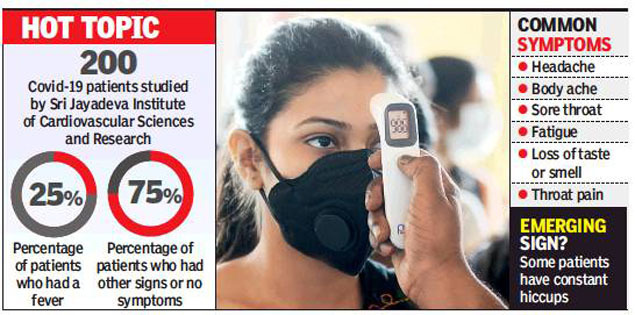
How high is too high when it comes to your temperature? Anything above 100.4 F is considered a fever. You may feel terrible, but on the whole, a fever isn’t bad for you. It’s a sign your body is doing what it should when germs invade. It’s fighting them off.
However, if your temperature is 103 F or higher or if you’ve had a fever for more than 3 days, call your doctor. Also call if you have a fever with symptoms like severe throat swelling, vomiting, headache, chest pain, stiff neck or rash.
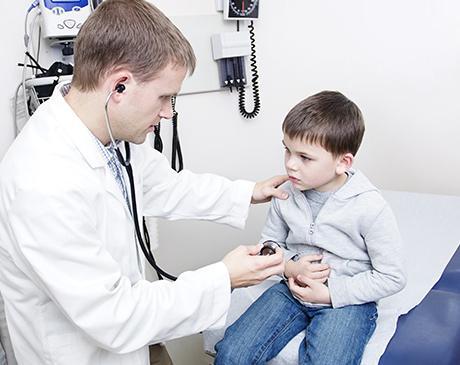
For children, fevers are a bit more complicated. Call your pediatrician if your child is:
- Under 3 months and has a rectal temperatures of 100.4 F or higher
- Between 3 months and 3 years and has a rectal temperature over 102 F
- Older than 3 years and has an oral temperatures above 103 F
- Between 3 and 6 months and -- along with a fever -- is fussier or more uncomfortable than usual, or doesn’t seem alert
- Sick enough for you to be concerned, regardless of what the thermometer says
Hypothermia
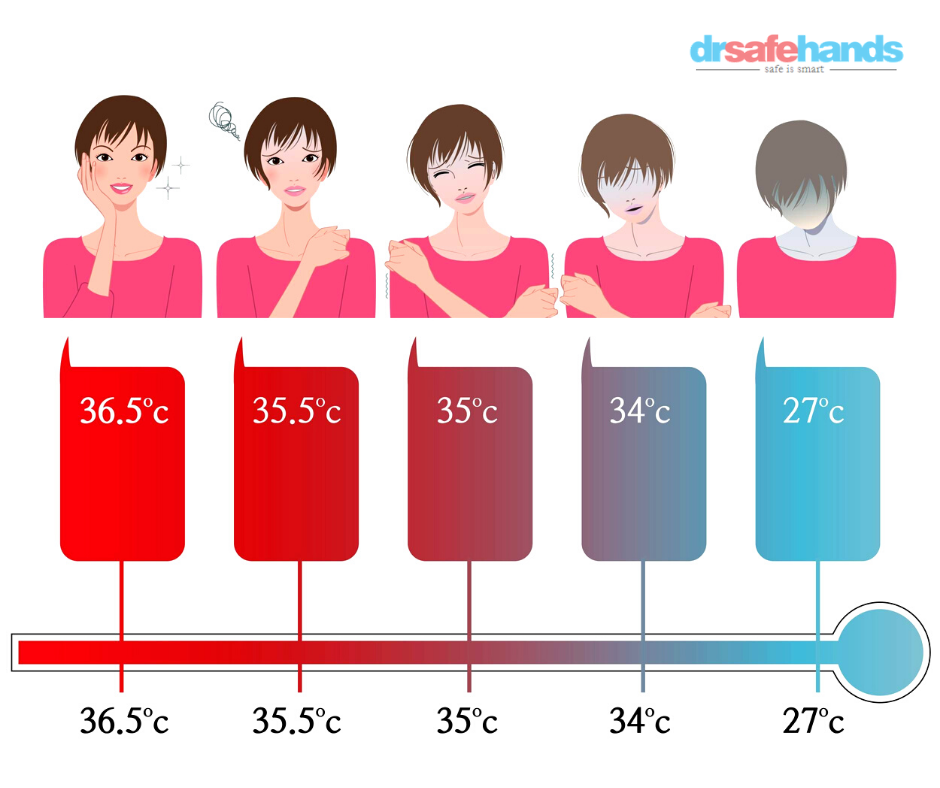
If your body loses too much heat, it can be very serious, even fatal. Hypothermia is when your body temperature goes below 95 F. You might think of hypothermia as something that only happens when you’re exposed to extremely cold weather for a long time. But it happens indoors, too.
Hypothermia is a special concern for newborns and the elderly.
Babies may not be good at regulating their temperature. They can lose heat quickly. It’s important to keep them warm. A temperature below 97 F is considered too low for babies.
Older adults can also struggle to keep their body temperature in a normal range if they’re somewhere with intense air conditioning or there’s not enough heat.
For both the elderly and young children, a below-normal body temperature can be a sign they’re sick.
Other things can also make you more likely to get hypothermia. They include:
- Alcohol or drug use
- Hypothyroidism (an underactive thyroid)
- Anorexia
- Stroke
- Sepsis (overwhelming infection)
- Parkinson’s disease
- Nerve damage
- Malnutrition
- Medicines such as antidepressants, antipsychotics, or sedatives
- Anesthesia
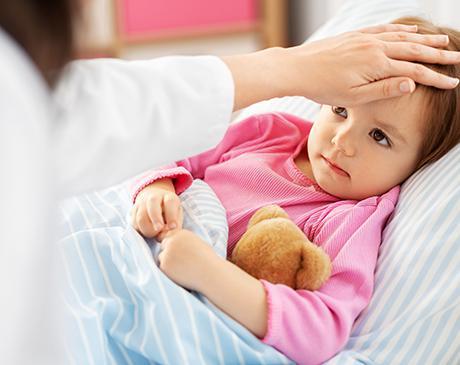
Here are some of the factors that affect body temperature:
- Our bodies tend to warm up throughout the day.
- Older adults have lower body temperatures since our ability to regulate body temperature lessens as we age.
- Younger people have higher body temperatures.
- The level of physical activity affects temperature because the more you move your body, the warmer your core body becomes.
- Hotter and colder weather can also mirror your body temperature — it rises when in a warm environment and lowers in the cold.
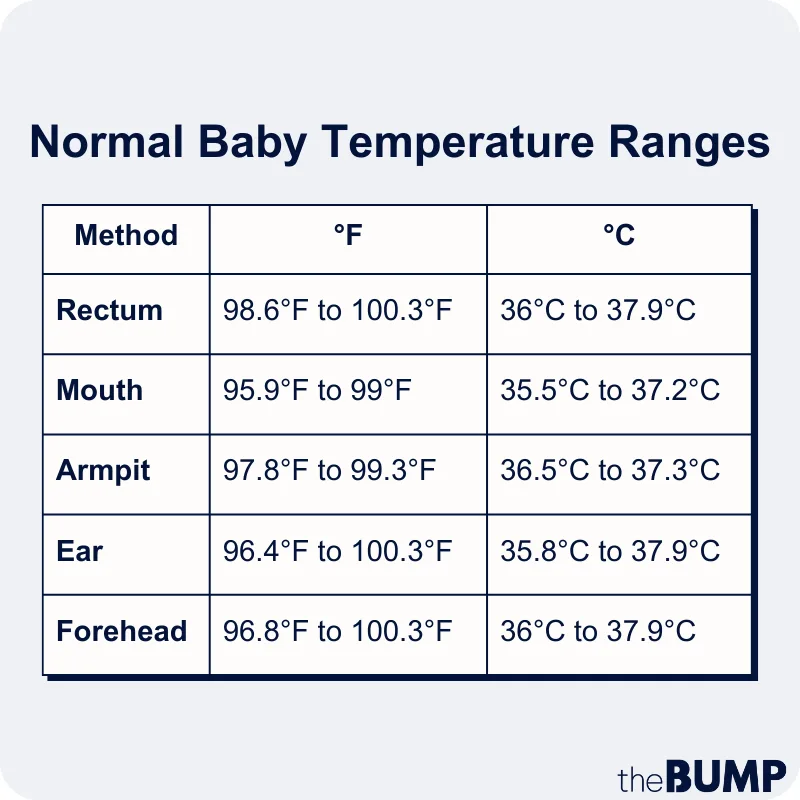
- Temperature readings from the armpit are lower than the thermometer read from the mouth.
- Thermometer readings from the mouth are lower than if taken in the ear or rectum.
- Hormone levels can affect body temperature.
- Excess weight can also be associatedTrusted Source with lower body temperatures.
MEDICINES TO REDUCE FEVER
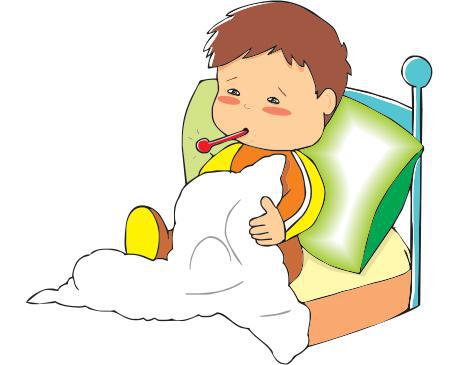
Remember that fever is helping your child fight the infection. Fevers only need to be treated with medicine if they cause discomfort. That usually means fevers above 102°F (39°C).
These medicines start working in about 30 minutes, and 2 hours after they are given, these drugs will reduce the fever 2°F to 3°F (1°C to 1.5°C). Medicines do not bring the temperature down to normal unless the temperature was not very high before the medicine was given. Repeated dosages of the drugs will be necessary because the fever will go up and down until the illness runs its course. If your child is sleeping, don't awaken him for medicines.
Acetaminophen: Children older than 3 months of age can be given acetaminophen (Tylenol). Give the correct dosage for your child's weight every 4 to 6 hours. Never give more than 5 doses in any 24 hours.
Ibuprofen: Ibuprofen (Advil, Motrin) is approved for infants over 6 months of age. One advantage ibuprofen has over acetaminophen is a longer lasting effect (6 to 8 hours instead of 4 to 6 hours). Give the correct dosage for your child's weight every 6 to 8 hours.
Caution: The dropper that comes with one product should not be used with other brands.
Caution: Do not use acetaminophen and ibuprofen together unless recommended by your child’s healthcare provider. Mainly, it’s unnecessary and can be confusing.
Avoid aspirin: Doctors recommend that children (through age 21 years) not take aspirin for fevers. Aspirin taken during a viral infection, such as chickenpox or flu, has been linked to a severe illness called Reye's syndrome. If you have teens, warn them to avoid aspirin.
Reference:
- lakeareapediatrics.com/patient-information/fever-instruction-and-medication-dosing-charts.html
- healthline.com/health/what-is-normal-body-temperature#whats-considered-a-fever
- healthline.com/health/pregnancy/could-fever-harm-my-baby
- webmd.com/first-aid/normal-body-temperature#2
- medlineplus.gov/ency/article/001982.htm
- med-hot.com
 وبلاگ تخصصی سلامت شامل مجموعه مطالب پزشکی است و اطلاعات مفیدی در رابطه با بهداشت، ایمنی، سلامتی بدن و راه های پیشگیری از بیماریها را در اختیار شما کاربر محترم می گزارد.
